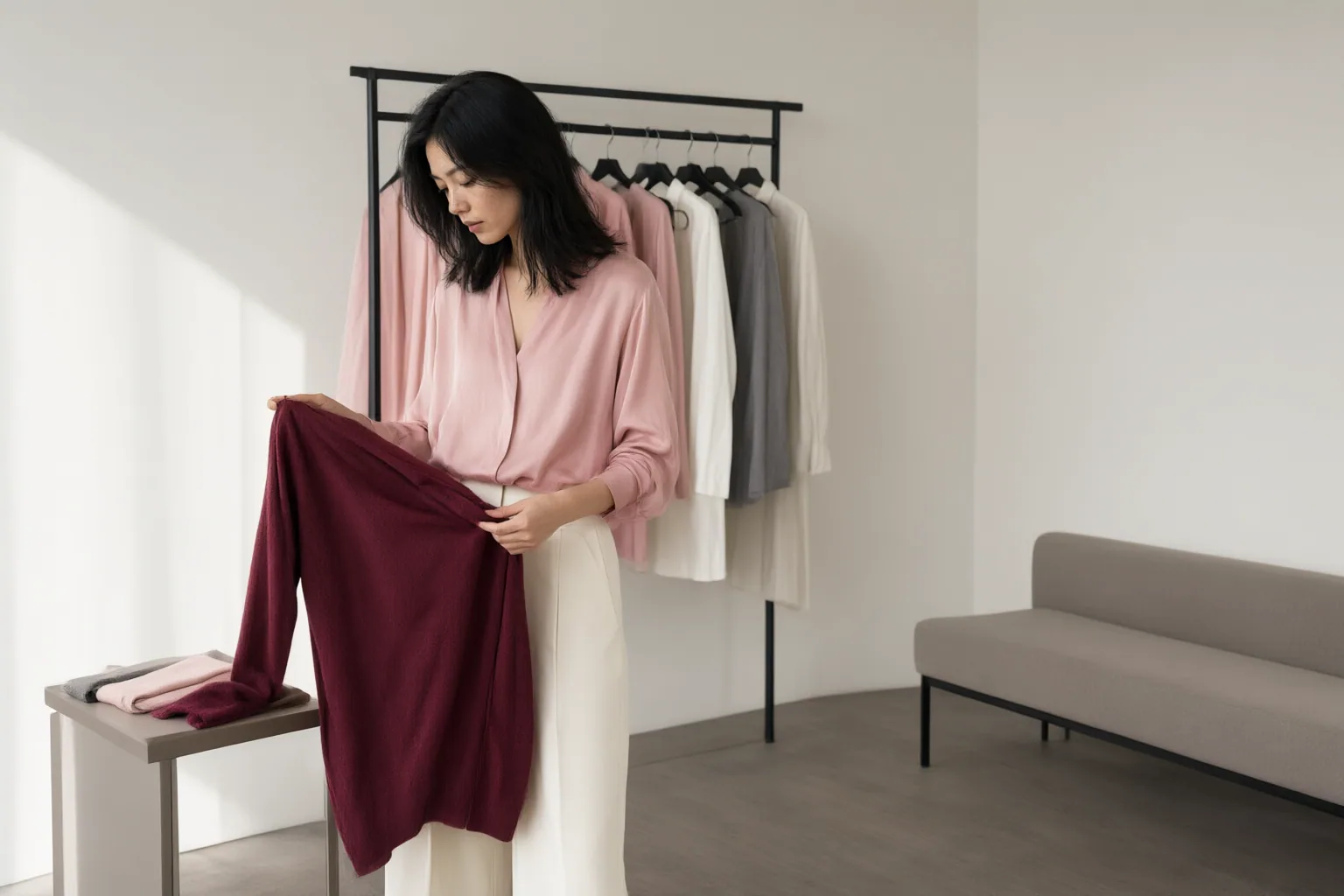
AI fashion tools can help organize a wardrobe, suggest outfits, and narrow shopping options. Their most useful role is decision support: every recommendation still needs to be checked against real-world fit, comfort, context, cost, and verified product information.
What AI Fashion Trends Mean for Everyday Decisions
AI in fashion extends beyond generating unusual images. Consumer-facing tools claim to assist with styling, shopping, fit considerations, and wardrobe building, while industry applications include collection design, inventory management, marketing, and customer relations. Vogue Business also tracks AI across areas such as buying, merchandising, consumer trust, fit, campaigns, luxury, and taste.
For everyday decisions, the practical question is narrower: can a tool help you assemble a wearable outfit or assess a possible purchase? Treat its output as a starting point, not proof that an item will fit, perform as described, or suit your life.
Using AI to Build Outfits from Clothes You Own
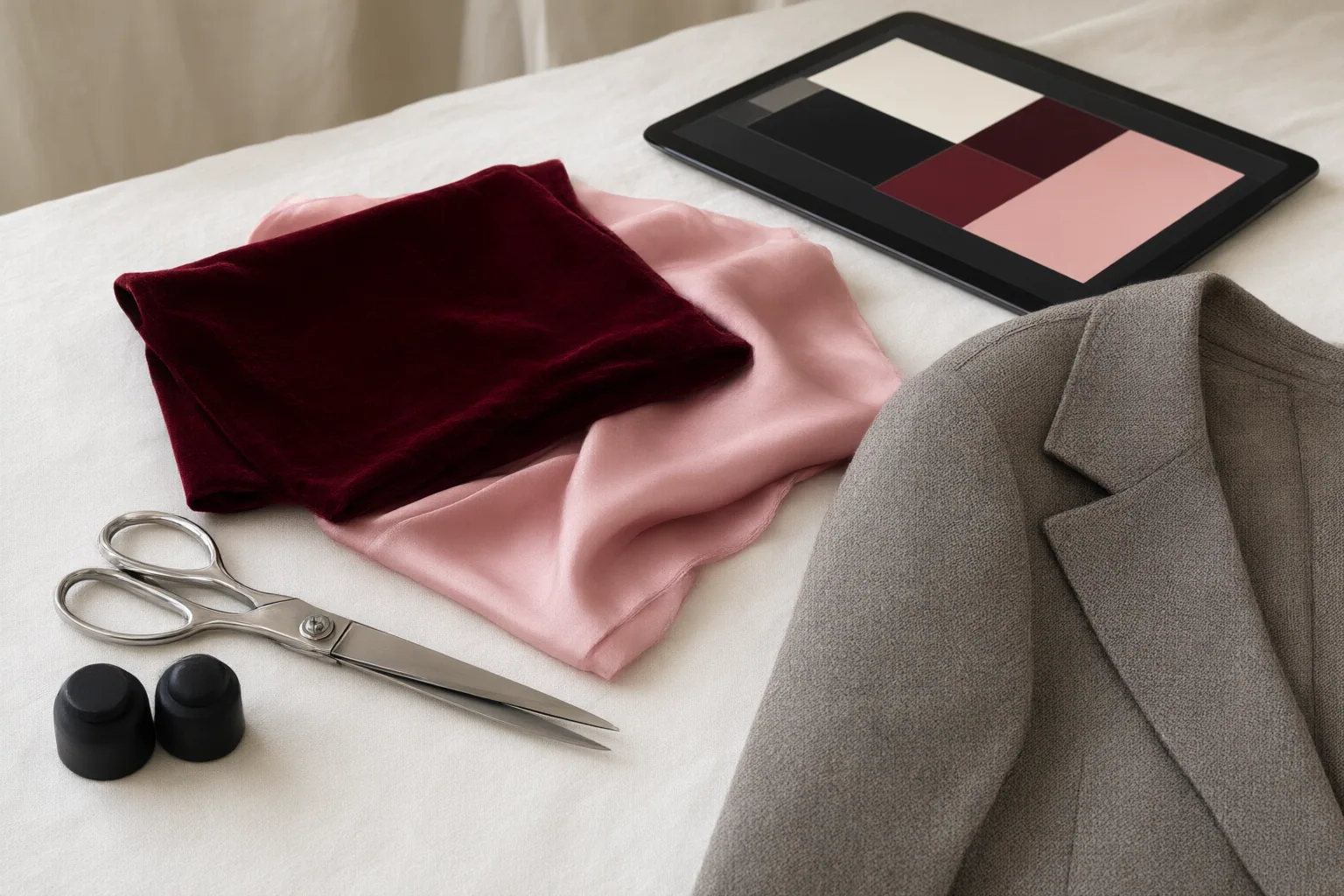
Digital-wardrobe services describe workflows in which users photograph garments, record preferences, and request looks for particular occasions. StylePilot says it can suggest new combinations from digitized clothing, create occasion-based looks, and prepare trip packing lists. Lookify similarly says its recommendations can draw on an uploaded wardrobe, stated preferences, and past interactions. Inspoy describes recommendations involving color type, body shape, outfits, wardrobe planning, and shopping.
A practical workflow is to enter only garments you actually own, define the occasion, and request several combinations. Then screen each idea for weather, dress code, comfort, coverage, and the condition and availability of each piece. Try the complete outfit before relying on it, because a digital combination cannot establish how the clothes fit together on your body.
Using AI to Make More Focused Shopping Decisions
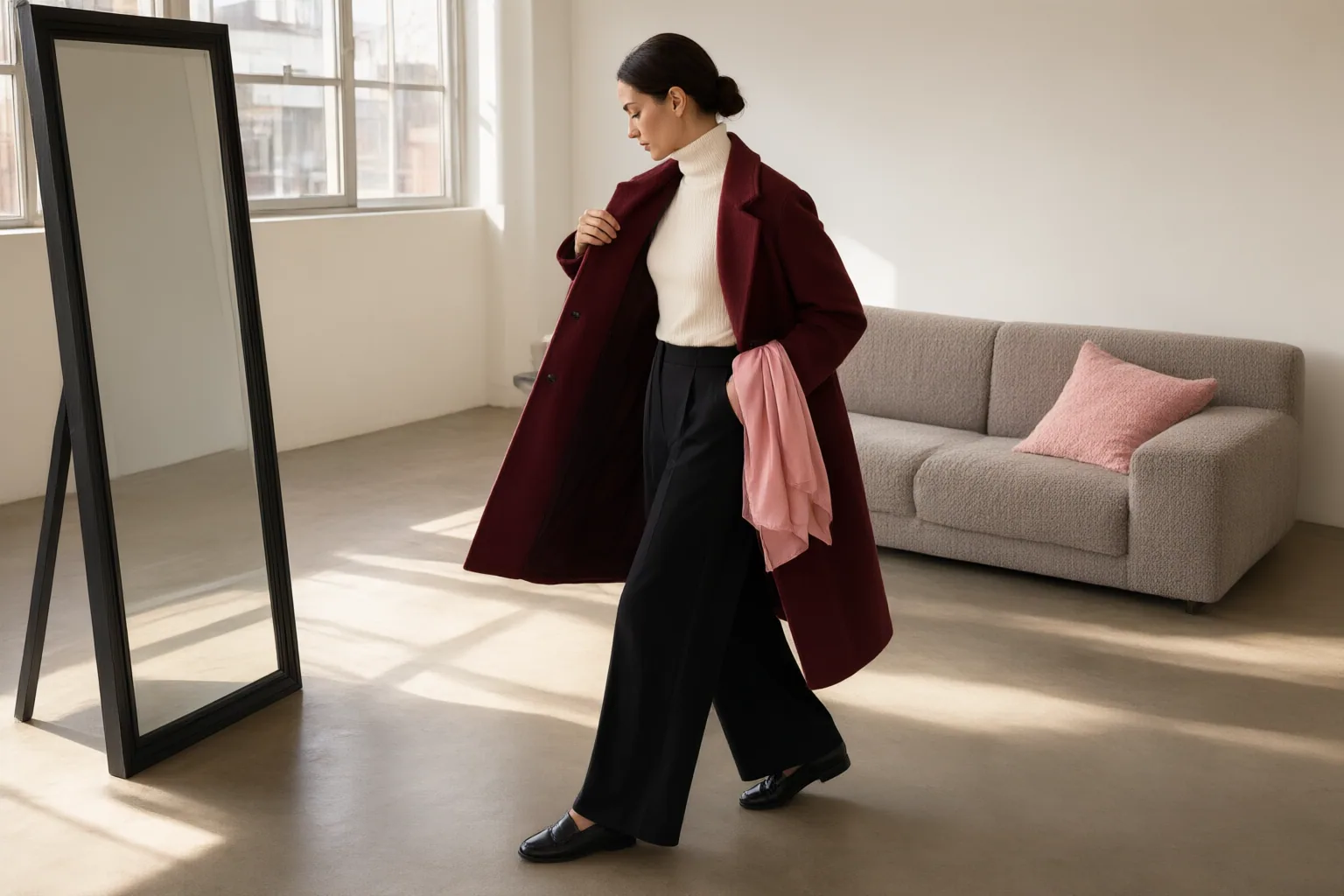
AI shopping tools claim to narrow large assortments through inputs such as style preferences, body shape, lifestyle, context, wardrobe contents, and earlier interactions. Lookify positions its purchase assistance around comparing a new item with clothes a shopper already owns. Stylitics describes retailer functions including personalized outfits, complementary pieces, visually similar alternatives, and intent-driven search.
Use those suggestions to create a shortlist, then apply a separate purchase check:
- Can the item form at least two realistic outfits with pieces you own?
- Does it serve a specific occasion or recurring need?
- Are the size, cut, materials, care requirements, and return terms suitable?
- Does the total cost fit your budget?
- Have you verified product details with the seller rather than relying on generated text?
This separates useful discovery from the final buying decision. A recommendation may look coherent while overlooking fit, material behavior, price, or production feasibility.
Conclusion
AI fashion tools may reduce the effort required to explore outfit combinations, plan for occasions, and compare prospective purchases with an existing wardrobe. They do not remove the need for human judgment. The supplied material also identifies concerns involving bias, intellectual property, authenticity, and whether generated concepts are feasible; the consumer-tool capabilities described here are vendor claims that were not independently validated.
Choose one AI-assisted suggestion and test it against your wardrobe, occasion, budget, fit needs, and verified product details before acting on it.
Disclosures and limitations
- This article was prepared with AI assistance from the supplied browser-acquired vendor and industry sources. Vendor capability claims were not independently validated. No specific products or affiliate offers are recommended.
Related reading
Sources
- AI fashion trends: Top trends shaping 2026 | Printful — Printful
- Inspoy: Fashion Al Stylist – style advice, color scheme & save time. — inspoy.com
- The Impact Of AI On The Fashion Industry — Forbes
- StylePilot – AI-Powered Personal Styling — stylepilot.ai
- AI — Vogue
- Top 11 AI in Fashion Use Cases & Examples — AIMultiple
- Digital Wardrobe App | AI Outfit Recommendations | Lookify — lookify.app
- AI in Fashion Design: 10 Case Studies 2026 — DigitalDefynd Education
- Fashion Brands Using AI in 2026 (25 Leading Brands) Nike, Gucci, ASOS — Stylitics | AI for Retailers & Brands