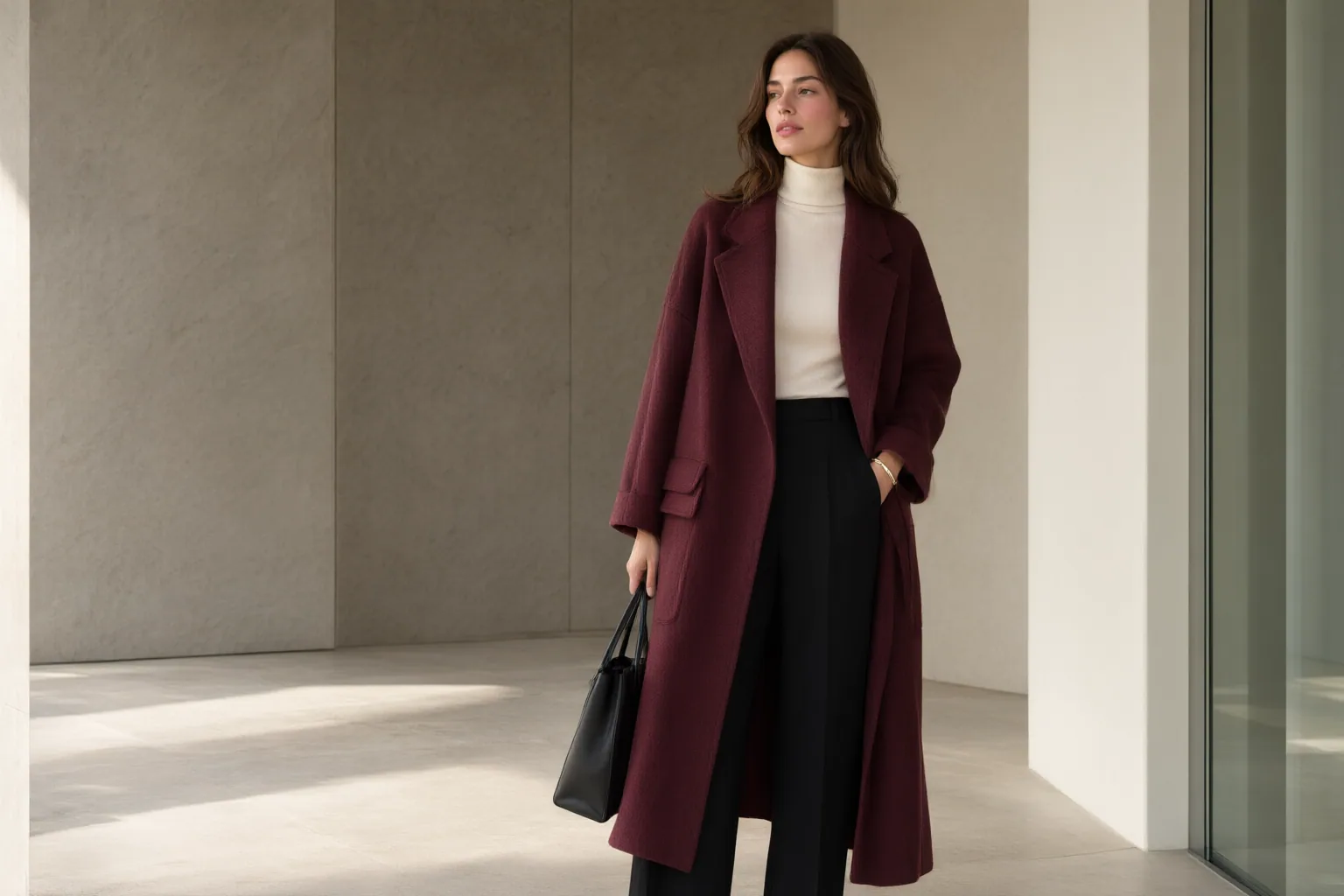
Balance oversized outerwear with a streamlined base, then choose its weight, length, closures, pockets, and coverage for your commute. The result should leave room for layers without overwhelming your frame and transition into casual evening plans without a complete outfit change.
Start with a Balanced Silhouette
An oversized jacket should look intentionally relaxed rather than simply too large. Old Navy defines the shape as loose through the shoulders and body but says the drape should not overwhelm the wearer’s frame. Use that distinction as your first fit check: the outer layer can provide visible volume and layering space, while the clothes underneath create a cleaner line.
Slim jeans are one retailer-supported way to establish that contrast. A dress can serve a similar purpose while producing a relaxed outfit that moves between daytime and evening settings. These are starting points, not rigid formulas. Focus on the relationship between the pieces: when the jacket is the dominant volume, keep the base visually streamlined and make sure its shape remains legible beneath the outerwear. Check the outfit from several angles with the jacket both open and closed. If the base disappears completely or the coat controls every proportion, reconsider the length, drape, or amount of volume.
Build a Commute-Ready Outfit
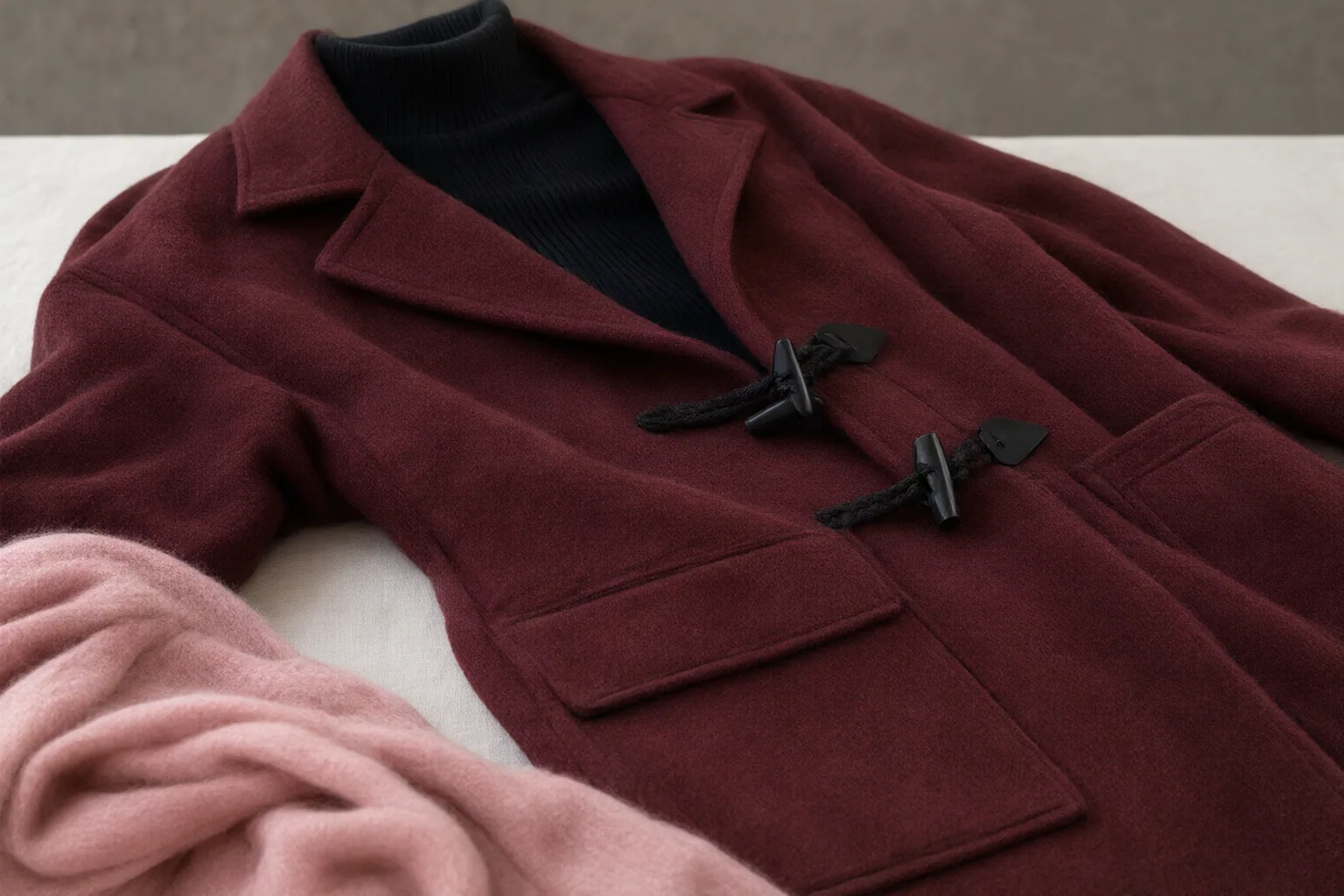
Once the proportions work, evaluate the jacket as commuting equipment. Windsor recommends considering fabric weight, weather suitability, room at the shoulders and sleeves, pockets, closures, collar protection, interior finish, and overall length. Perform that assessment over the sweater, top, or hoodie you would normally wear, because Gap and Old Navy both describe roomy outerwear as suitable for layering.
Decide how much coverage your route requires. Windsor distinguishes shorter jackets as easier to move in, while longer silhouettes provide greater coverage for chilly walks, outdoor plans, and travel between destinations. A bomber, denim jacket, utility jacket, blazer, or other shorter option may therefore suit a movement-heavy trip; a trench, parka, puffer, or long overcoat may better match a colder or more exposed route. Those categories appear in the cited retailer assortments, but the practical choice depends on conditions rather than the category name alone.
Before leaving, reach, sit, and bend in the complete outfit. Confirm that the closure works over your layers, useful items fit in the pockets, and the collar and length provide the coverage you expect.
Shift the Same Look into a Casual Evening
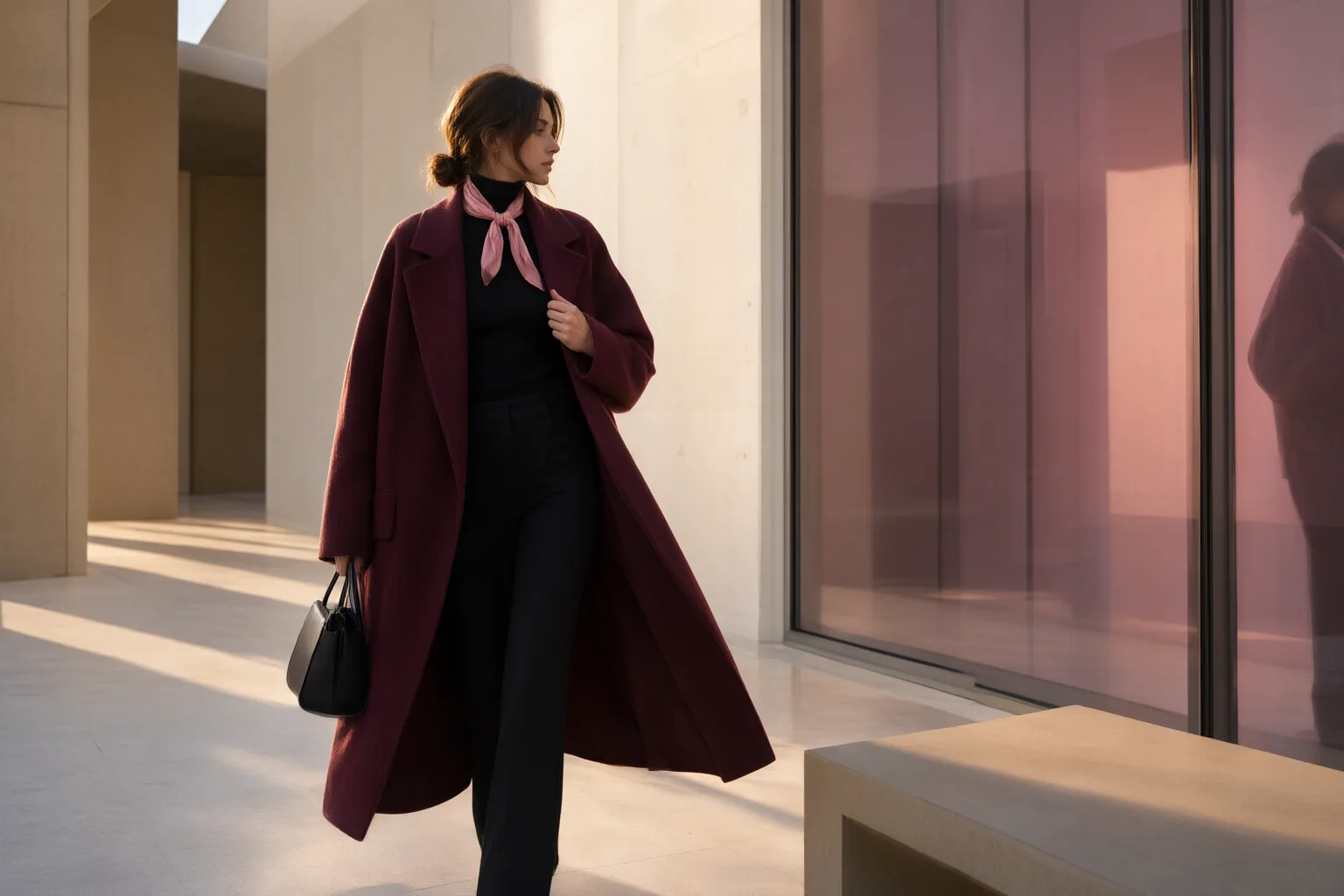
Keep the oversized layer and streamlined base as the outfit’s consistent structure, then make only small contextual changes for the evening. Old Navy specifically suggests pairing a roomy jacket with fitted pieces such as slim jeans or wearing it over a dress, with the latter presented as a relaxed day-to-night option. This supports an easy transition without replacing the entire outfit.
Material and construction should still follow the temperature. The cited assortments include lighter transitional choices such as denim, canvas, linen-blend, and windbreaker styles, alongside fleece, sherpa, quilted, puffer, and lined options intended for colder conditions. Choose among those families according to the weather and the amount of time spent outside, not merely the desired visual impact.
For a long day, preserve the functional decisions made for the commute. Do not sacrifice a workable closure, protective collar, comfortable lining, or useful pockets solely to make the outfit feel more evening-oriented. Instead, let the clean base silhouette provide continuity while the oversized jacket remains the focal layer. A dress or slim-jean combination can move between settings while retaining the same balance of volume and ease.
Conclusion
A practical oversized-outerwear outfit starts with three decisions. First, match the material and coverage to the weather and route. Second, verify that the shoulders, sleeves, closures, lining, and length allow comfortable layering and movement. Third, balance the roomy outer layer with a cleaner base, such as slim jeans or a dress, so the silhouette looks deliberate.
Shorter jackets can favor mobility, while longer styles can add coverage for chilly walks and time outdoors. Neither is automatically better; the useful option is the one that fits the conditions and still works across both parts of the day. Choose one oversized layer, put it over your normal commute outfit, and test the proportions, movement, pockets, closures, and weather coverage before relying on it for an evening plan.
Disclosures and limitations
- This article was prepared with AI assistance from the supplied Gap, Old Navy, and Windsor retailer materials. Their fit, styling, and material guidance was synthesized editorially and does not represent independent product testing.
- No individual products, prices, or affiliate links are recommended here. If commerce links are added later, their affiliate status should be clearly disclosed.
Related reading
Sources
- Oversized Jackets | Gap — gap.com
- Amazon.com : oversized coats — amazon.com
- Oversized Outerwear — Windsor
- Oversized Jacket | Old Navy — oldnavy.gap.com