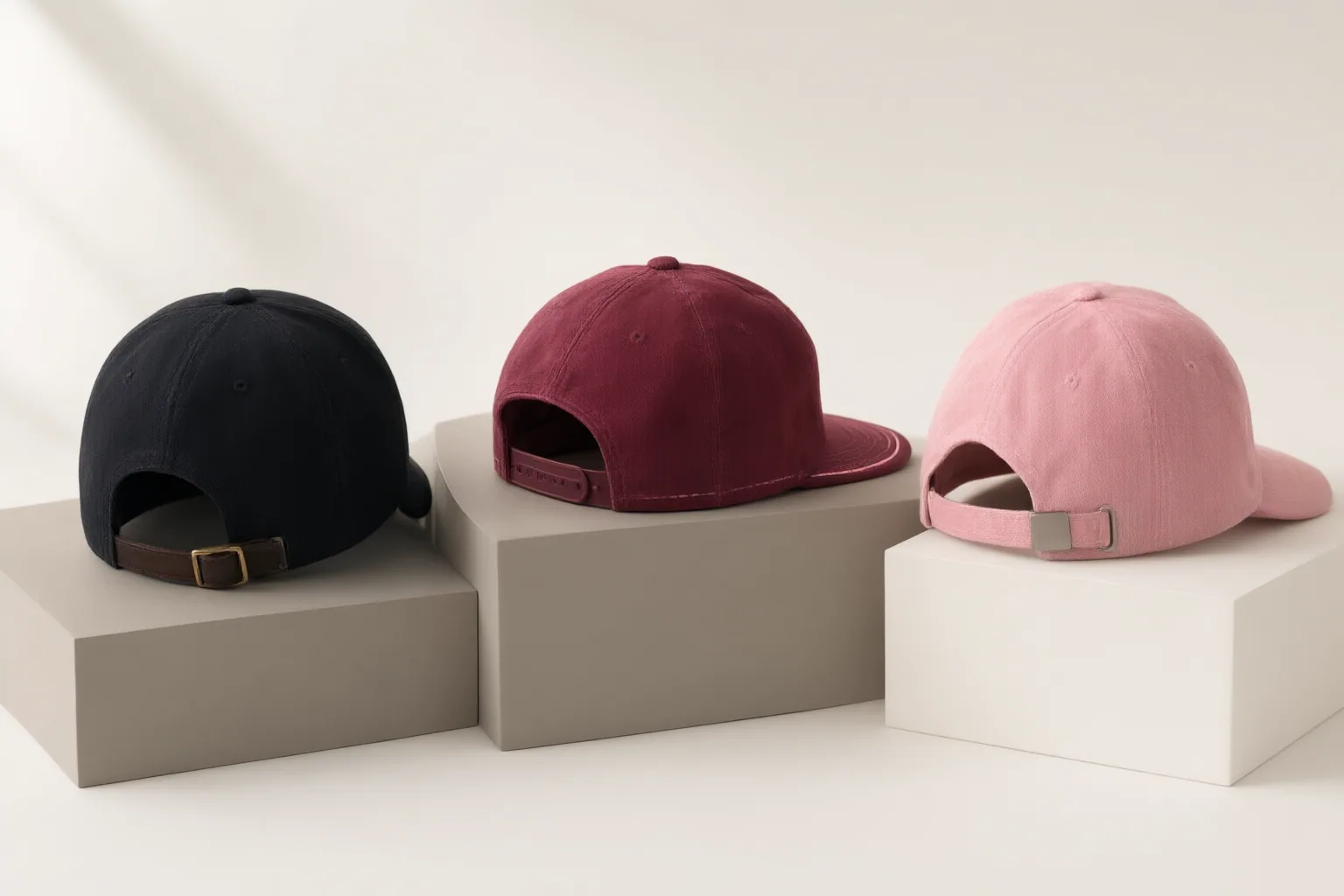
Choose a baseball cap by measuring where it will naturally sit while wearing your usual hairstyle, then checking the specific brand’s chart. Treat crown depth, structure, brim shape, and closure as separate decisions, and use face-shape guidance only as a flexible starting point.
Start With Head Measurement, Hairstyle, and Crown Depth
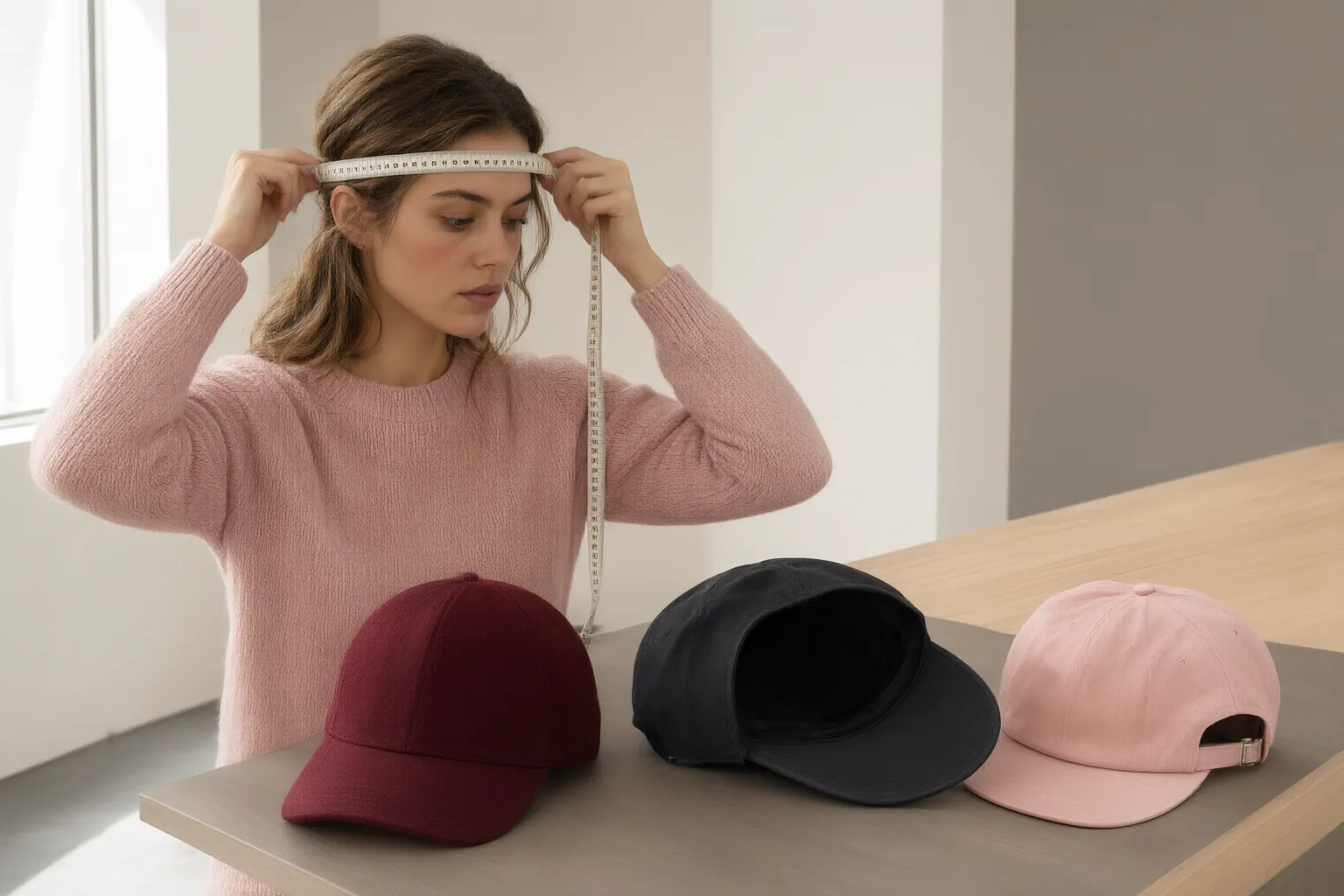
Wrap a soft measuring tape around the point where your cap normally rests. Keep it level and repeat the measurement to reduce error. If you do not have a soft tape, wrap a string or cord around your head and measure it against a ruler.
Measure with the hairstyle you expect to wear under the cap. Hair volume can change the space required, so a measurement taken with compressed hair may be too small for everyday use. Next, compare the result with the individual brand’s chart because cap sizing is not necessarily standardized.
Do not stop at circumference. Crown depth or profile affects whether a cap sits close to the head, rides high, pinches, or appears bulky. Online photos may not show crown height clearly, making depth an important specification to confirm separately.
Use Face Shape as a Flexible Styling Filter
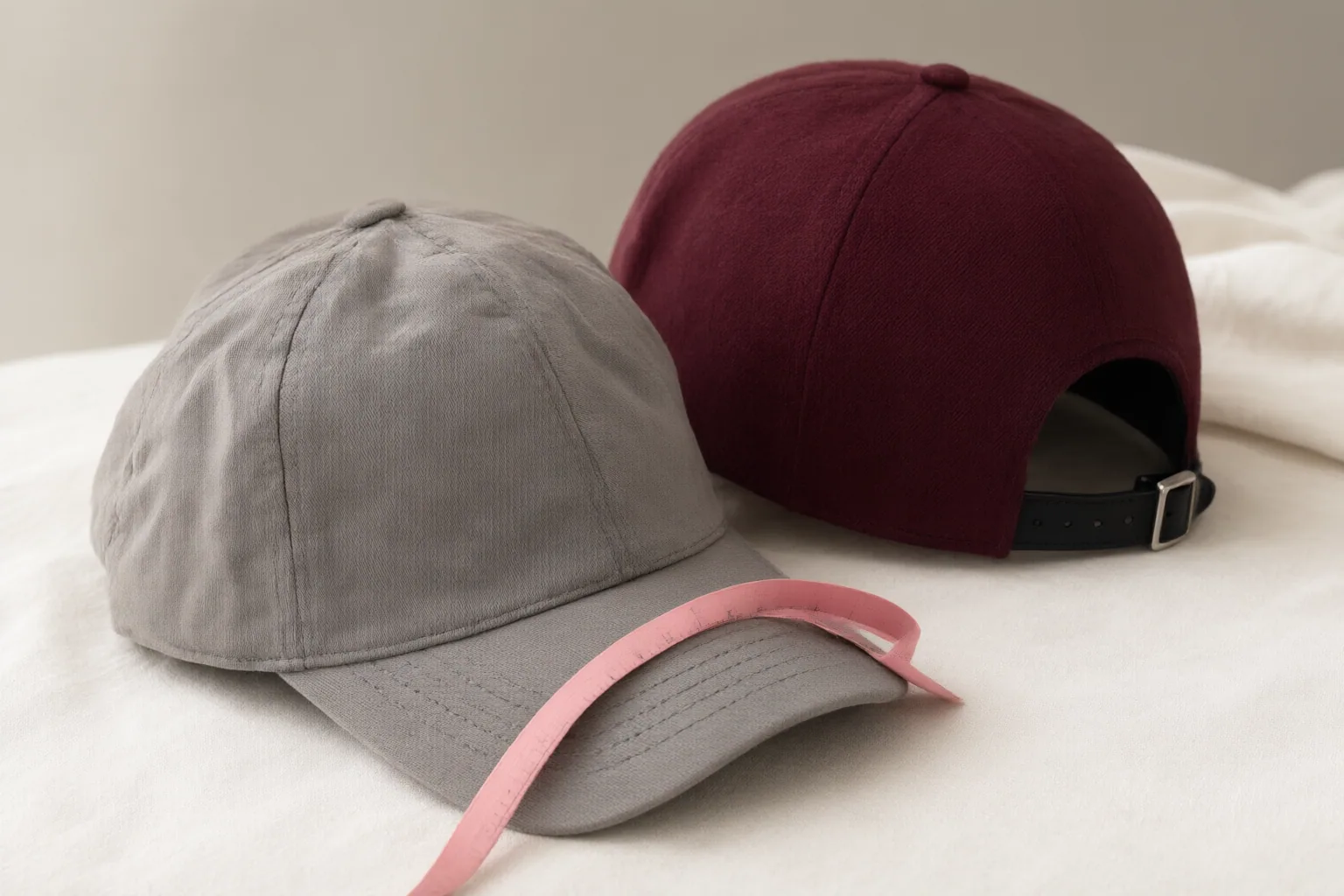
Face-shape categories are approximate, so consider them comparison prompts rather than fixed rules. For a square face, the supplied styling guides generally suggest that a softer, unstructured crown and curved brim can temper the impression of angular features. For a longer face, several guides recommend avoiding excessive crown height and starting with a lower-profile crown plus a shorter or curved brim.
Advice for round faces is inconsistent. Some sources favor a flat brim because it introduces stronger-looking angles, while another recommends a curved brim and places more emphasis on sufficient crown structure and depth. That disagreement makes a visual try-on more useful than any universal brim rule.
Oval faces are described as compatible with many cap shapes, but that does not make every cap equally suitable. Comfort, proportion, crown scale, hairstyle, and personal preference still matter. If your face falls between categories, compare the full silhouette instead of forcing it into one label.
Compare Brim Curve, Crown Structure, and Closure Separately
Evaluate each cap as a combination of independent attributes. A curved or flat brim changes its visual lines, while crown construction determines how the upper portion holds its shape. Structured crowns maintain a firmer form; unstructured crowns sit more softly and conform more closely to the head. Crown depth remains a separate variable, so two caps with similar photographs or circumferences may wear differently.
Closure labels do not fully describe silhouette. Fitted caps come in specific sizes, snapbacks use plastic snap closures, and strapbacks use adjustable straps. Terms such as six-panel can describe construction, while “dad hat” can identify a broader style family. A closure therefore should not be treated as proof of a particular crown height, structure, or brim curve.
When comparing listings, record five details independently: circumference range, crown depth or profile, structured versus unstructured construction, brim shape, and closure. This prevents an appealing style label from obscuring the feature that determines fit.
Conclusion
Before buying, measure twice with your usual hairstyle and check the brand-specific size chart. Confirm crown depth and structure instead of relying on circumference or a style name alone. Then compare flat and curved brims visually, considering the cap’s overall scale and comfort rather than treating face-shape advice as a requirement. Your next step is to write down those measurements and preferences, then use them as a checklist during a try-on or when reviewing a retailer’s fit details and return policy.
Disclosures and limitations
- This article was prepared with AI assistance from the supplied cap-sizing and styling sources; subjective face-shape guidance is presented as optional rather than universal.
- No products, prices, availability claims, or affiliate recommendations are included because the supplied research contained no product records.
Related reading
Sources
- Baseball Cap Sizing: Step-By-Step Guide & Chart – Hewore — Hewore
- Best Baseball Cap for Each Face Shape: Expert Guide – JoinTop | Custom Hat & Cap Manufacturer | OEM & ODM Headwear Factory — jointophat.com
- Baseball Cap Fit Guide: Best Cap Styles for Every Face Shape — EASTLUCKY: Your High-End Cap & Embroidered Badge OEM/ODM Partner
- Baseball Cap Styles Guide — Monterey Company
- How to Choose the Right Baseball Cap for Your Face Shape — Bobble & Peak
- The Cap Guide — Varsity Headwear
- How to Choose the Right Hat for Your Face Shape — The Fashion Choice
- Style Guide | Find Your Perfect Cap — Varsity Headwear