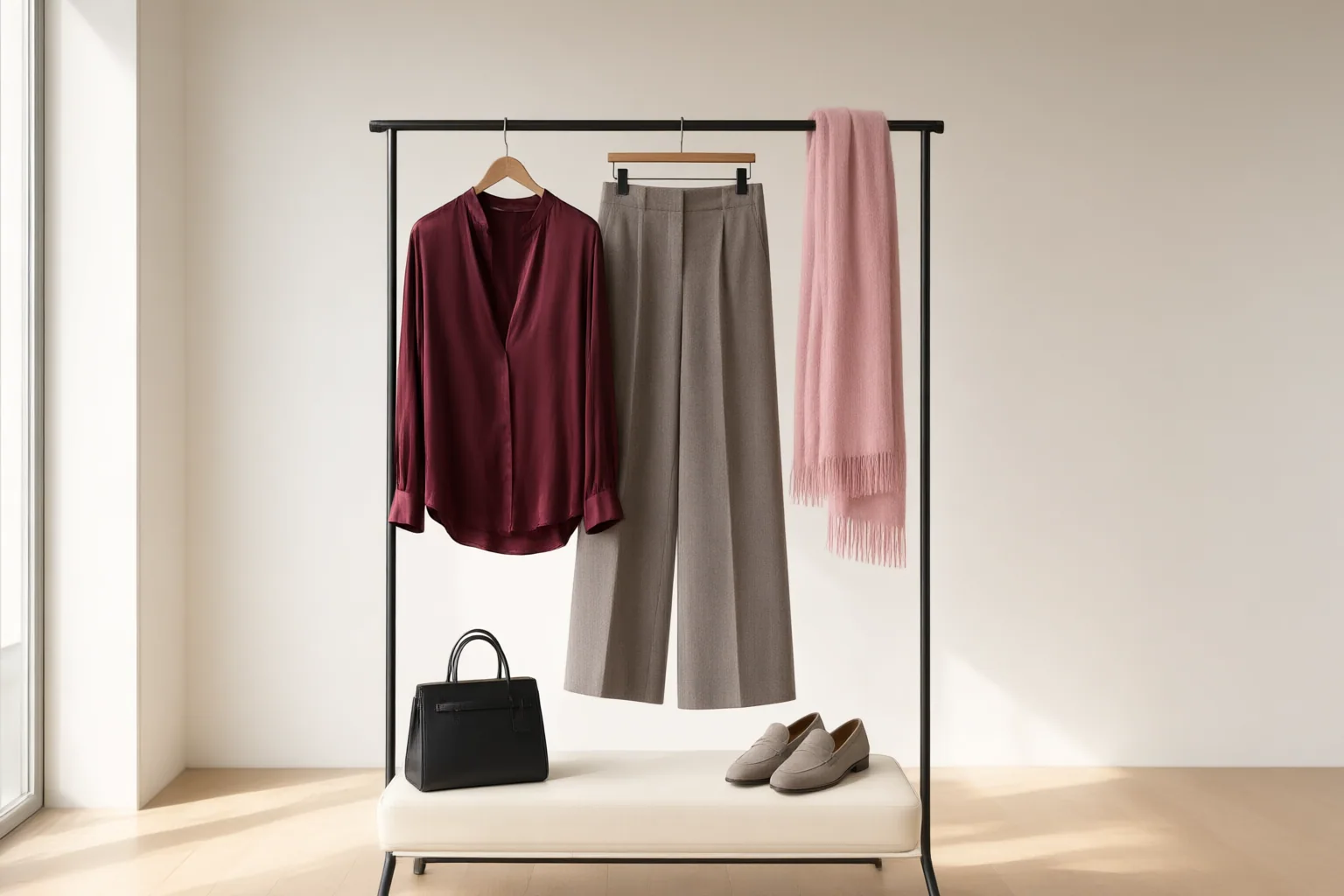
Before buying a statement-color top, assess when you would actually wear it, test its color with clothes you already own, and verify the seller’s current return policy. Bold color is receiving editorial attention, but trend visibility alone does not show that a particular garment will suit your wardrobe.
Start With Realistic Wear Frequency
Begin with your routine, not the intensity of the color. Think about the settings in which you would realistically wear the top and the clothes you normally choose for those occasions. Then identify specific, repeatable outfits rather than relying on a vague expectation that you will eventually find a use for it.
Who What Wear’s author reported that her own statement pieces received more wear after she learned to incorporate bold items into everyday outfits. That is one person’s experience, not a general wear-frequency benchmark, but it highlights a useful purchasing question: can this top participate in your ordinary wardrobe?
List several genuine opportunities to wear it, such as occasions already present in your schedule. For each one, name the bottoms, shoes, outer layer, and accessories you would select from your existing wardrobe. If the plan depends on buying several additional items, recognize that the top is not yet an easy everyday option. The goal is not to predict an exact cost per wear—the supplied evidence does not support one—but to determine whether the garment has a practical route into outfits you already understand and use.
Test the Color Against Pieces You Already Own
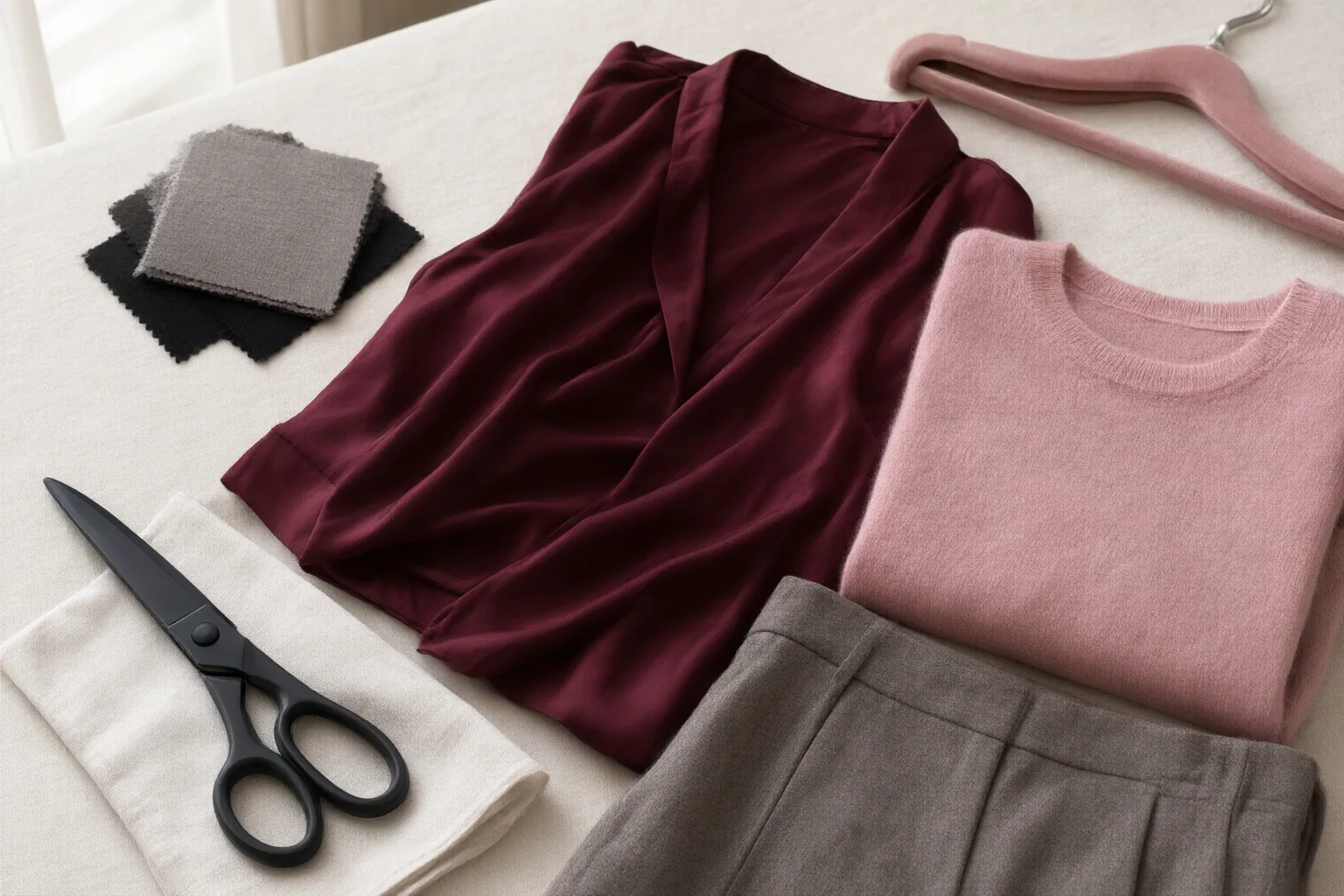
A quick wardrobe pairing exercise can reveal whether a striking color is versatile for you. Who What Wear recommends considering complementary or analogous relationships on the color wheel. Complementary colors offer a more distinct contrast, while analogous colors provide a closely related direction. The source also presents different shades of one color as another way to style brights.
Use these ideas as options, not rigid rules. Place the prospective color beside garments you own and build complete combinations. You might test one color-wheel pairing, one outfit using related shades, and one restrained combination drawn from a mainly neutral wardrobe. This makes the decision concrete: the relevant question is not simply whether you like the color, but whether you can connect it to the rest of your clothes without making every outfit feel more elaborate than you want.
Record the combinations that feel realistic and note whether the same supporting pieces work across multiple settings. Do not assume that a color-specific headline proves compatibility. Vogue’s fashion page featured coverage involving red sneakers and lime green when observed on September 4, 2026, showing color-led editorial interest but offering no evidence about the suitability of any particular top.
Check the Retailer’s Return Policy Before Paying
Treat returns as a separate verification task. Before paying, read the retailer’s current policy on its own official channel and check the conditions that would apply to the specific purchase. Do not infer return eligibility from fashion coverage or from general styling advice.
The supplied sources provide styling context and examples of color-focused editorial coverage, but they do not establish any retailer’s return window, refund method, exclusions, fees, or other terms. They also provide no product-level evidence about price, inventory, fabric, fit, durability, or customer reviews. Those details therefore need direct confirmation wherever they affect your decision.
Save or note the policy information available at the time of purchase, especially if uncertainty about the color makes return flexibility important to you. This check does not establish whether the top will work; it clarifies what options the seller currently offers if your planned pairings do not translate into a satisfactory purchase.
Conclusion
A statement-color top is easier to evaluate through three practical checks: credible opportunities to wear it, workable pairings with your current wardrobe, and a return policy confirmed directly with the seller. Color-wheel relationships and tonal dressing can help you explore outfits, while restrained combinations may make bold color more approachable in a neutral-heavy wardrobe.
Editorial attention to colors supplies trend context, not proof of a garment’s fit, quality, value, availability, or suitability. The cited author’s experience likewise should not be treated as a promise that every bold item will receive more wear. Before purchasing, write down several complete outfits you would realistically wear with the top, then verify the retailer’s current return policy for that specific transaction.
Disclosures and limitations
- This article was prepared with AI assistance from the supplied research package. Styling claims are attributed to source-941eec6c3b6fea0b7777189e, and color-trend context is attributed to source-2753da31570f6dbeb40b50a4.
- No specific products or affiliate offers are recommended here. Retail policies and product details were not supplied and should be verified directly with the relevant seller.