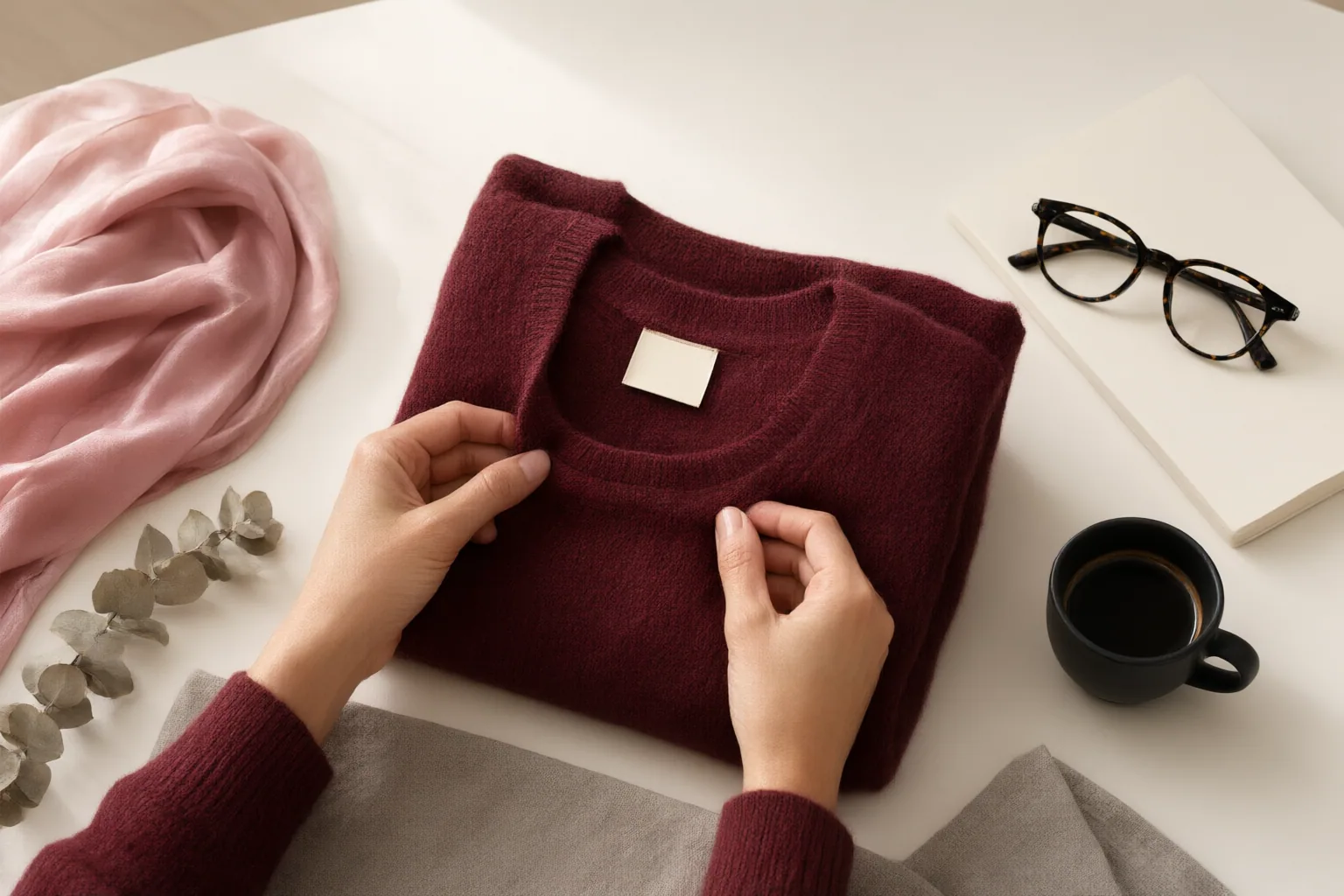
Before buying a garment, read its care label and compare every washing, drying, storage, and maintenance requirement with your actual routine, laundry facilities, and available space.
Start With the Care Label and Fiber Content
Begin with the care label rather than assuming that similar-looking garments need similar treatment. Check the washing instructions, fiber content, and any stated limits that affect how the item should be cleaned or maintained. Materials can have different care requirements, so this information helps define the ongoing commitment before money changes hands.
Translate each instruction into a practical obligation. If the garment calls for hand washing, dry cleaning, special drying, or careful ironing, decide whether you are realistically willing and able to follow that process. A garment that suits your style but conflicts with your normal routine may be an impractical purchase. If you cannot inspect the label in person, review the available care information before ordering rather than relying on the garment’s appearance.
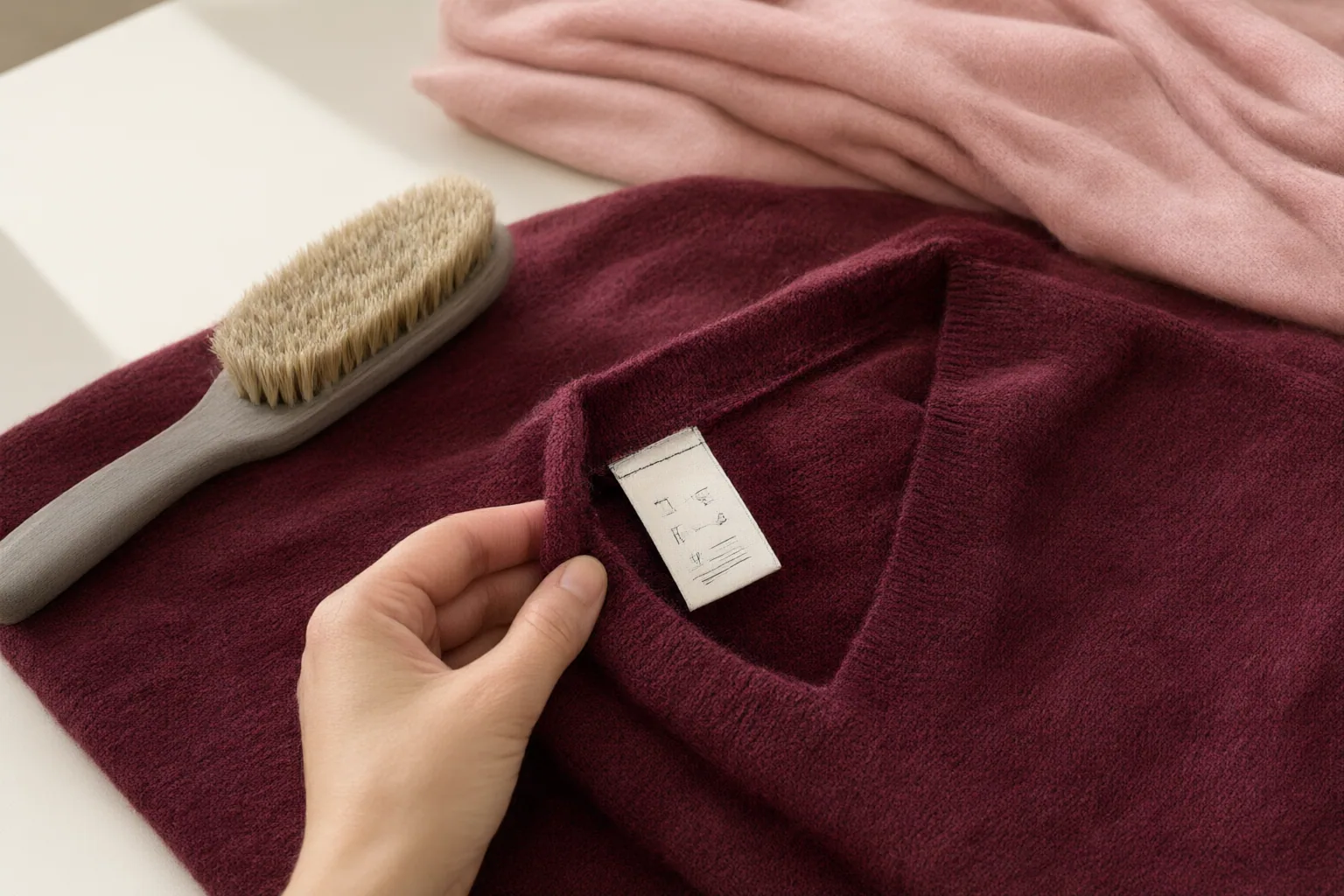
Check Washing and Drying Requirements Against Your Routine
Confirm whether the garment can be washed in cold water, subject to its label instructions. The cited clothing-care guidance recommends cold-water washing to reduce heat-related wear or environmental impact. Also ask whether the item must be separated from other laundry: mixing dark and light colors can cause color transfer, while washing delicate fabrics with tougher materials may cause damage.
Drying requirements deserve equal attention. Air drying can help limit shrinkage, fading, fiber deterioration, and loss of shape associated with heat. However, it may not be practical if you lack suitable space or facilities. If you normally use a dryer, check whether the garment permits it and whether you can avoid excessive heat and overdrying.
Finally, estimate the likely wash frequency. Some lightly worn pants, jackets, sweaters, and other outer layers may not need cleaning after every wear. Because frequent washing and excessive dryer heat can accelerate fading, shrinkage, misshaping, and fabric wear, a workable care routine should protect the item without demanding more effort than you will consistently provide.
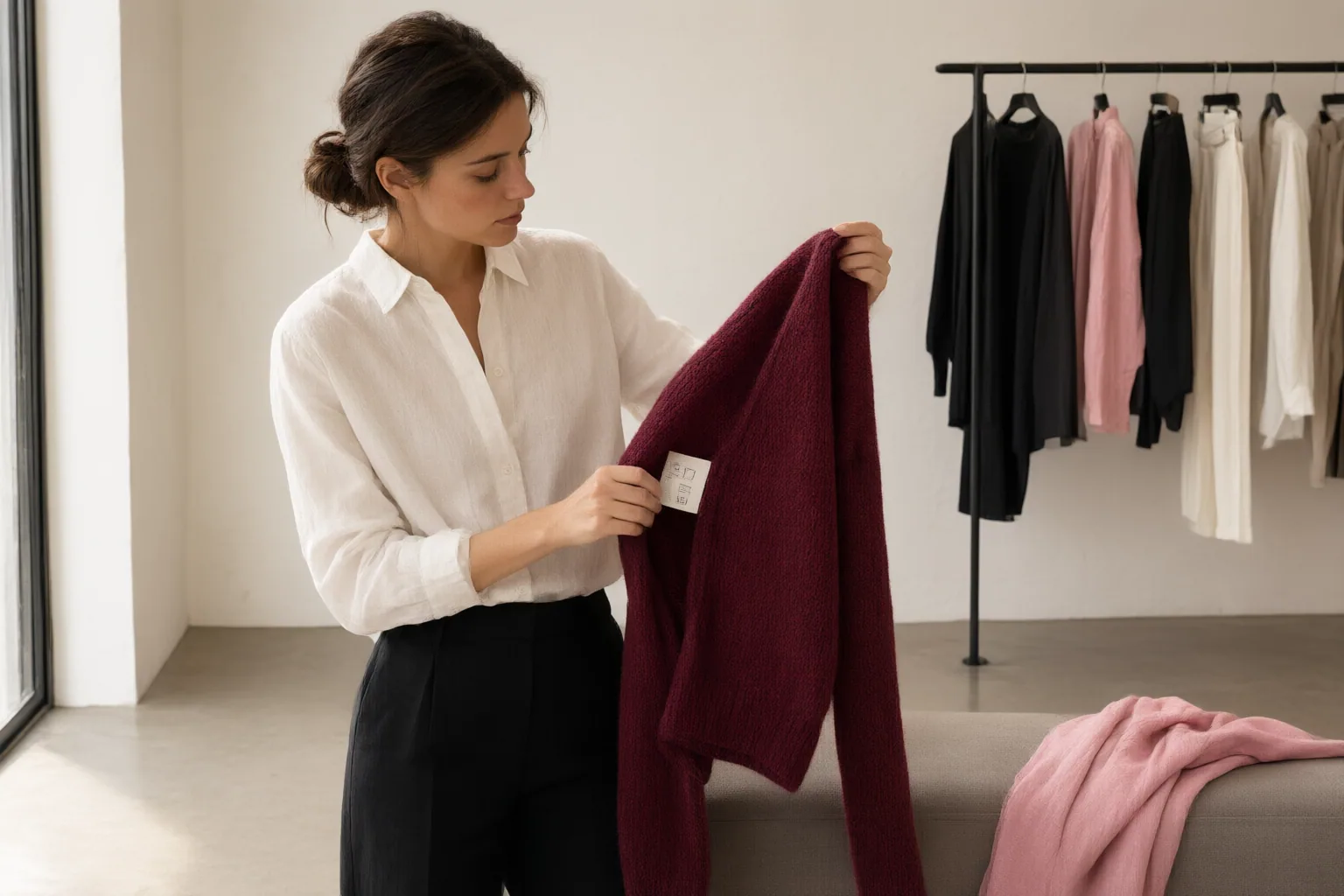
Account for Sorting, Storage, Stains, and Repairs
Care continues after laundry day. Before buying, consider whether you can sort the garment appropriately by color and fabric type. Then check whether your storage setup matches the item: the cited guidance recommends folding knitwear and shirts, while hanging trousers, coats, and dresses can help them retain their shape. A garment that needs hanging space may be inconvenient if your closet cannot accommodate it.
Also consider occasional maintenance. Prompt stain treatment and basic repairs can extend clothing’s useful life, but they require time and attention. Examine your willingness to address a stain or small repair instead of postponing it. These tasks may be manageable individually, yet together they reveal whether the garment is genuinely compatible with your habits rather than merely attractive at the point of purchase.
Conclusion
Use a final compatibility check before purchasing: Can you follow the stated washing method, control water and dryer heat, provide any required air-drying space, sort the garment safely, store it correctly, and handle stains or minor repairs? If any essential step exceeds your routine, facilities, or willingness to maintain the item, consider skipping it. Before you buy, photograph or review the care label and confirm that every required washing, drying, and storage step fits your normal routine.
Disclosures and limitations
- This article was prepared with AI assistance using only the cited clothing-care research sources. It contains no product recommendations or affiliate links.
Related reading
Sources
- Clothing Care and Repair | Oberlin College and Conservatory — www.oberlin.edu
- Prolong the Life of Your Clothes With These Simple Tips – Mind, Body and Soul — wp.nyu.edu
- Clothing Care | Mindful Wardrobe Checklist — sites.udel.edu
- Nordstrom Online & in Store: Shoes, Jewelry, Clothing, Makeup, Dresses — nordstrom.com
- garment — dictionary.cambridge.org
- iciba.com — iciba.com
- assess — dictionary.cambridge.org