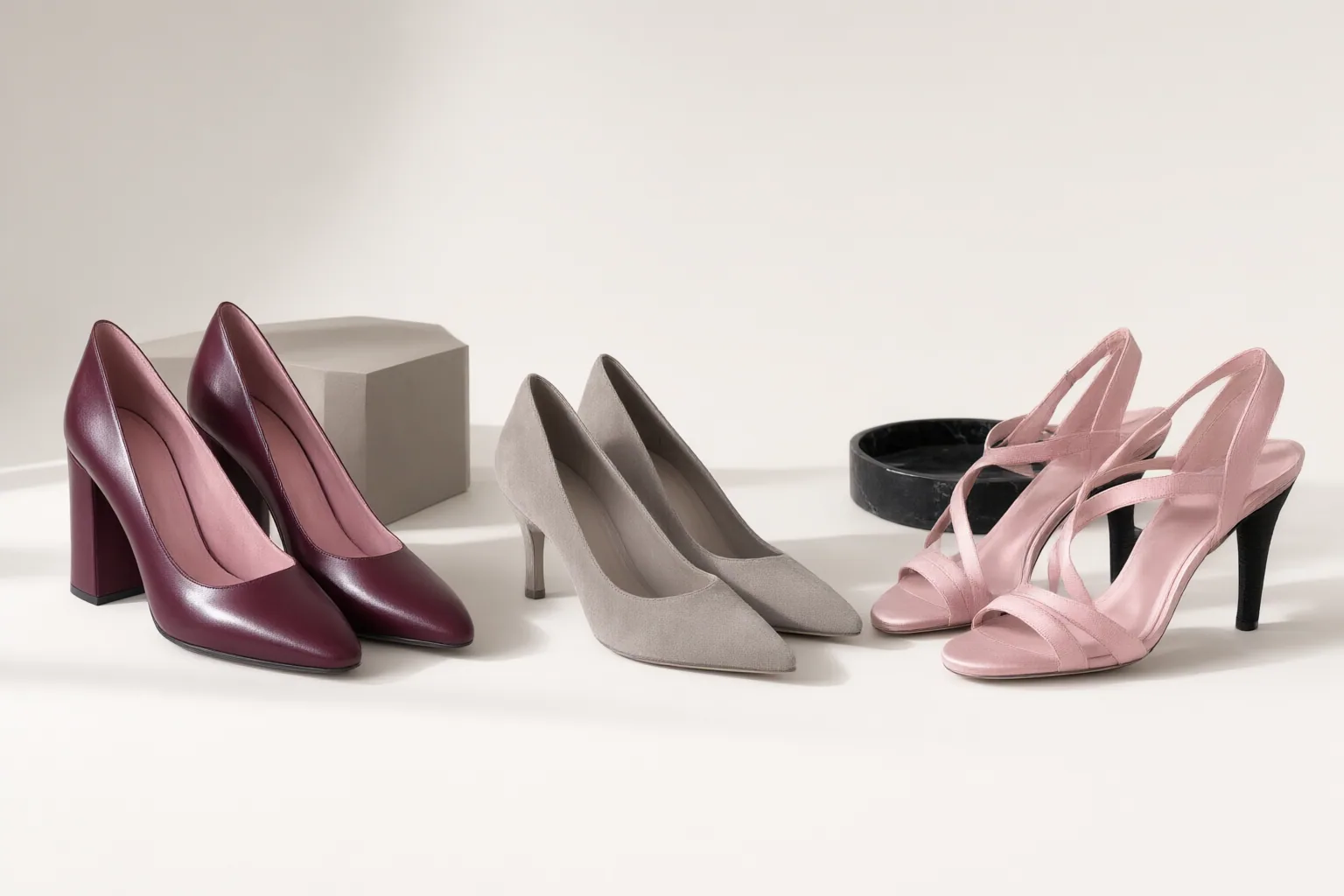
Choose occasion shoes by matching fit, width, toe room, and intended wear time to your feet before considering appearance. Heel shape, materials, and at-home checks can help compare candidates, but the available sources do not establish that any one design or material is universally more comfortable.
Start With Fit, Foot Shape, and the Occasion
Begin with three questions: What is your foot shape, where do shoes usually feel tight, and how long will this occasion last? CNET’s running-shoe testing considers foot shape, width, cushioning, and responsiveness, and notes that shoes designed for different uses are not interchangeable. This is useful general context, not proof that a particular occasion shoe will perform well.
Check whether your forefoot feels compressed and whether your toes have usable room without the foot sliding. CNET found meaningful fit differences between models, including one described as roomier and friendlier to wide feet. TheSkimm’s footwear coverage likewise treats comfortable party shoes, blister concerns, all-day wear, fit, and underfoot feel as distinct shopping questions.
Use those observations to define your requirements before browsing: occasion, expected walking or standing, usual width, and known pressure points. Judge each candidate against that personal brief rather than relying on its labeled size or formal appearance alone.
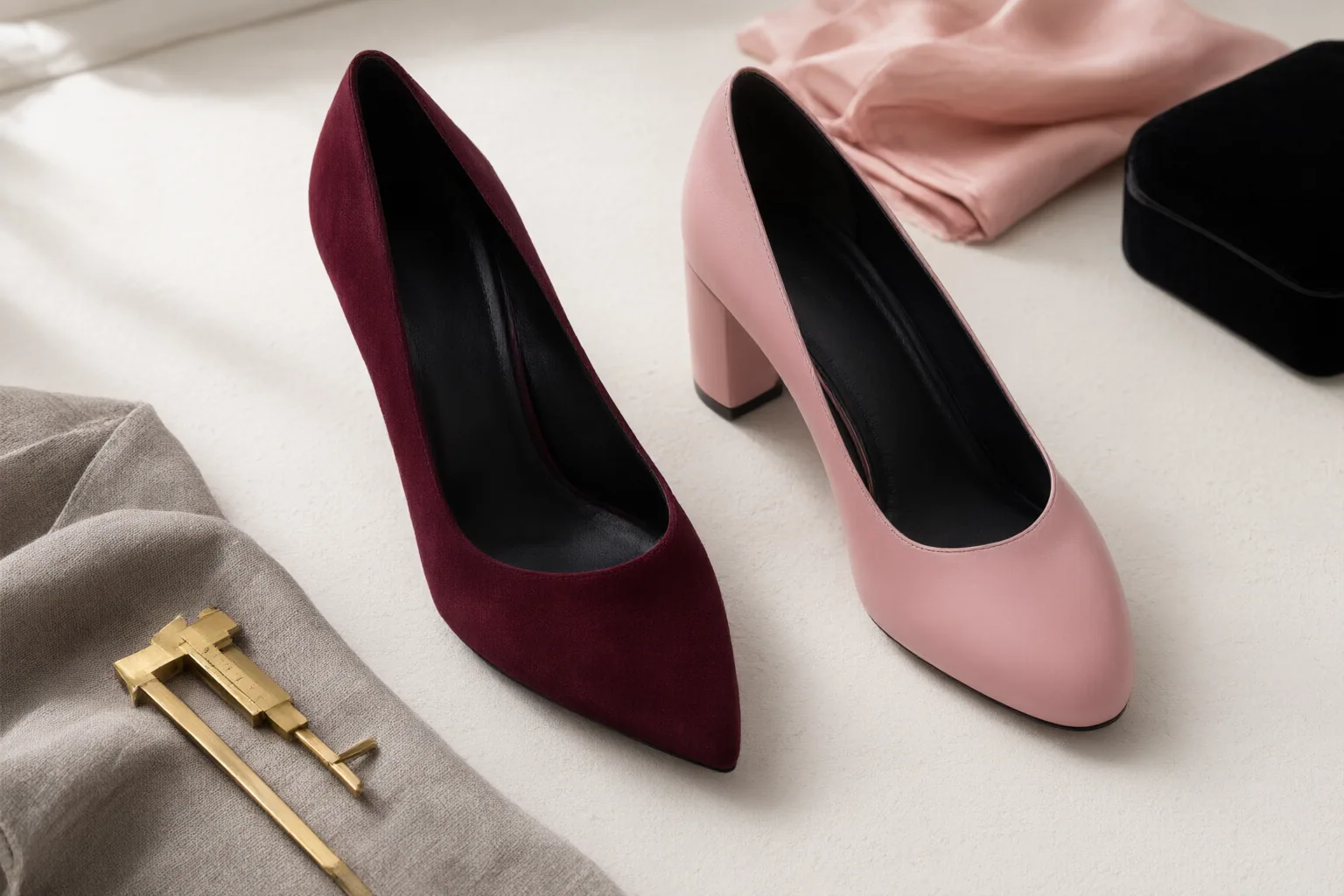
Account for Wear Time, Swelling, and Foot-Specific Needs
A brief fitting may not represent several hours of wear. CNET advises considering extra room for long-distance running or warm conditions because feet may swell. That observation comes from running-shoe coverage, so it cannot predict occasion-shoe performance; it does support checking whether a close fit leaves any tolerance for changing foot volume.
When comparing sizes or widths, note pressure at the toes and sides rather than assuming tightness will resolve. If the event involves prolonged standing, walking, heat, or an extended schedule, treat wear time as a core selection criterion. TheSkimm’s footwear page separately highlights all-day comfort and avoiding blisters, confirming that these are recurring consumer concerns without establishing which designs solve them.
Foot-specific needs also deserve their own filter. TheSkimm lists coverage concerning bunions, plantar fasciitis, and orthotic footwear. That shows these needs may require different shopping criteria, but the available material does not supply treatment guidance. Readers with pain or a diagnosed condition should not treat this general buying framework as medical advice.
Evaluate Heel Shape, Materials, and Return Tests Carefully
The research package does not establish that a particular heel shape, heel height, lining, upper, or sole material is inherently the most comfortable. Avoid universal rankings. Instead, use these features as comparison prompts during an individual fitting.
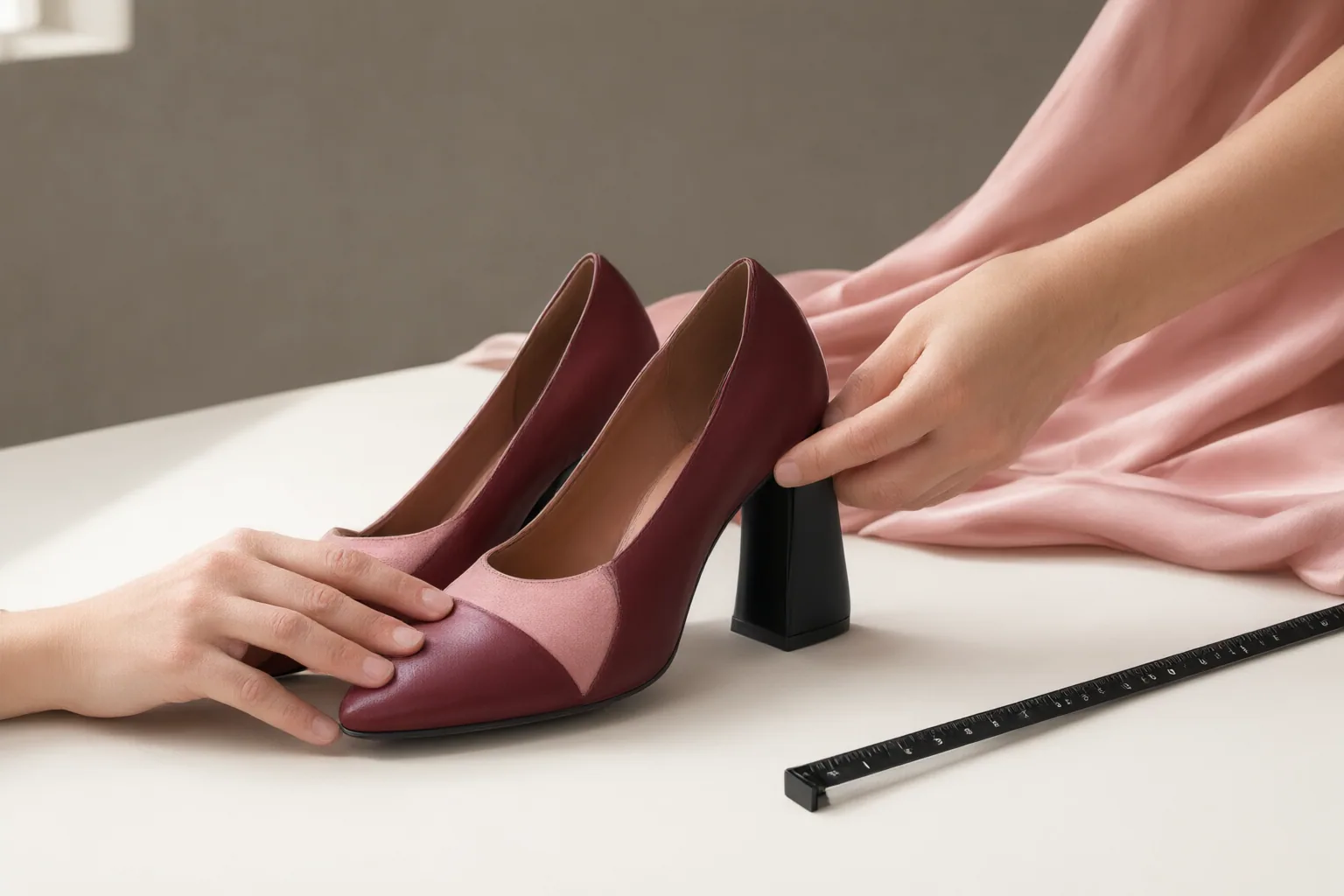
For heel shape, observe whether you can stand and take controlled steps without feeling unstable or forcing your toes forward. For materials, notice where the shoe contacts the toes, sides, heel, and any existing pressure points. These are editorial checks for comparing candidates, not sourced claims about material performance or guarantees against blisters.
Before any home assessment, read the retailer’s return conditions. If indoor try-on is allowed, keep the shoes and packaging in the required condition and avoid any test that could mark, crease, stretch, or otherwise alter them. Compare both shoes while standing and walking only within those rules. Recheck toe room, side pressure, heel movement, and stability, using the socks or hosiery intended for the event when doing so would not violate the policy.
A return window is not evidence of comfort, and this research does not validate a specific testing protocol. Its value is practical: it lets you organize observations consistently while respecting the seller’s stated conditions.
Conclusion
Use a fixed order: first narrow the field by foot shape, width, toe room, and occasion; then account for expected wear time, warm conditions, and individual foot needs; finally compare heel stability, contact points, overall feel, and return terms. Evidence from running shoes offers limited fit context, while TheSkimm’s page identifies relevant consumer concerns but does not prove specific occasion-shoe solutions.
Before buying, write a personal checklist with your usual pressure points, event duration, planned hosiery, and return requirements. Complete only a policy-compliant indoor fitting, then keep or return the shoes based on those recorded observations.
Frequently asked questions
Should comfortable occasion shoes feel tight at first?
The sources do not support assuming that initial tightness will improve. CNET’s comparisons show that width and toe-room experiences vary between shoes, with some models more accommodating to wide feet. Treat pressure at the toes or sides as relevant fit information, especially when longer wear or warm conditions may coincide with swelling.
Does a certain heel shape or material guarantee all-day comfort?
No such guarantee is supported by this research. TheSkimm’s footwear page shows interest in party shoes, blister concerns, and all-day comfort, but it does not provide detailed evidence proving one heel shape or material superior. Compare stability and contact points personally, within the retailer’s return rules.
Disclosures and limitations
- This article was drafted with AI assistance using only the supplied CNET and theSkimm research summaries. Their evidence is limited and does not validate specific occasion-shoe designs, materials, or home-test methods.
- No products, prices, stock claims, or affiliate links are included. If commercial links are added later, their affiliate status should be disclosed and current product details independently verified.
Related reading
Sources
- Best Running Shoes for Women in 2026 – CNET — CNET
- Shoes | theSkimm — theSkimm