
Treat an athletic garment as one part of an everyday outfit, then evaluate the whole look for context, proportion, fit, and practical comfort. This is an editorial framework, not research-proven styling advice.
What “Athletic” Means in This Context
Dictionary.com defines “athletic” as relating to athletes or athletics and as involving physical capabilities such as strength, agility, or stamina. The remaining sources reinforce that sports context: The New York Times Company describes The Athletic as a sports-journalism publication covering major leagues and teams, while its captured homepage includes reporting on football, tennis, basketball, baseball, hockey, and soccer.
These sources do not discuss apparel, outfit combinations, brands, materials, fit, consumer experiences, celebrity adoption, or fashion-trend momentum. Consequently, the practical ideas below are editorial suggestions for assessing an outfit—not findings established by the supplied research.
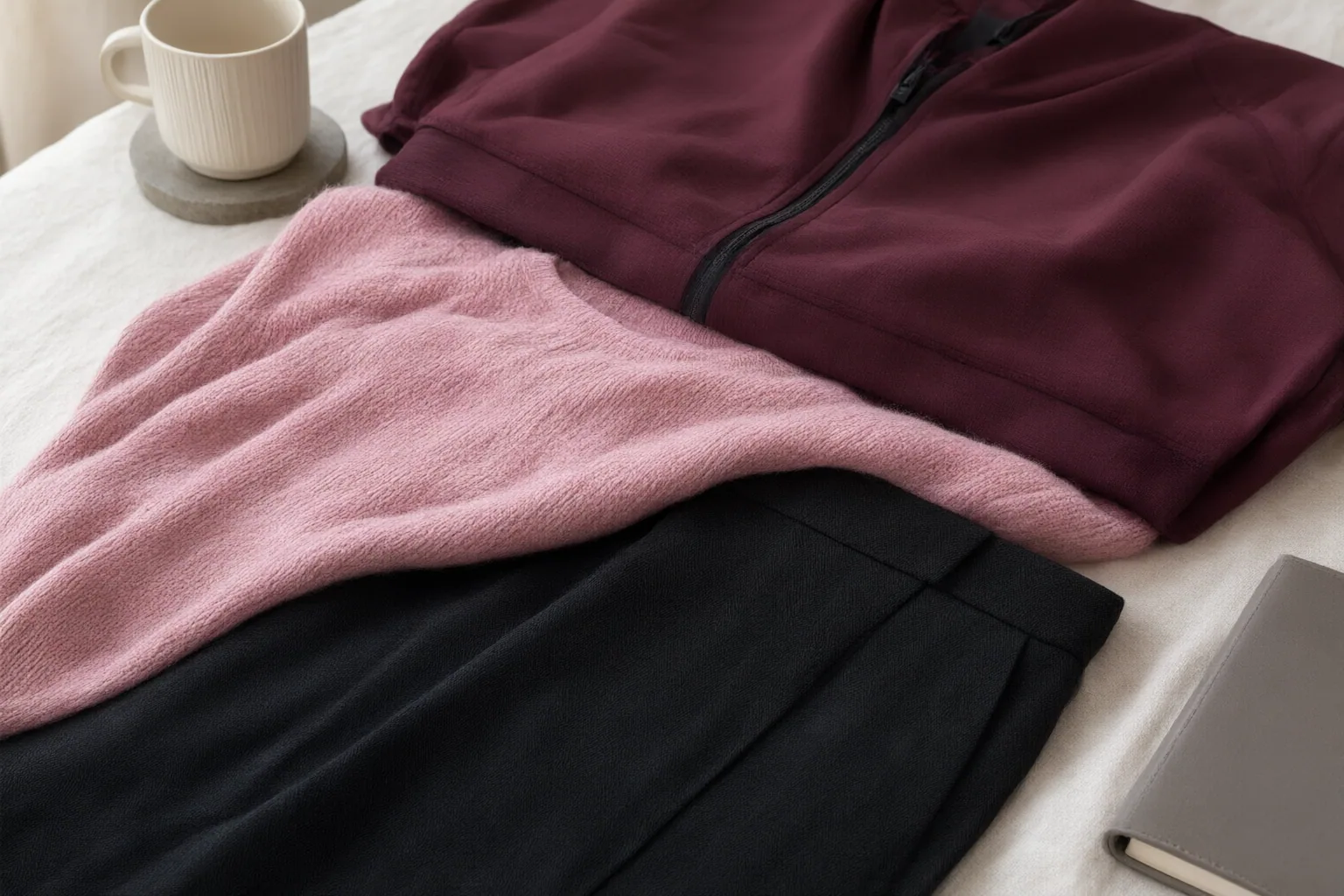
A Simple Framework for Everyday Outfits
Start with the setting. Consider where you are going, what you will do there, and whether the athletic item suits the level of formality you expect. This recommendation is an editorial judgment; the supplied dictionary source establishes the meaning of “athletic,” not rules for appropriate dress.
Next, assess visual balance. Let the athletic garment have a clear role rather than asking every part of the outfit to communicate the same sports-centered idea. Combine it with familiar wardrobe pieces, then look at the overall silhouette instead of judging the item in isolation.
Check fit by observing whether the pieces sit and move together comfortably. Pay attention to proportions, unnecessary bulk, restriction, and anything that requires repeated adjustment. Finally, apply a practicality check: can the outfit support the day’s likely movement, weather, carrying needs, and dress expectations? These questions are a general editorial decision tool, not evidence about any particular garment, fabric, or performance benefit.

Two Common Questions About Everyday Athletic Style
Two decisions usually organize this editorial framework: whether the complete outfit makes sense outside a sports setting and whether the athletic item works with clothing already in the wardrobe. Neither supplied source provides garment-specific or consumer evidence. The answers therefore rely on context, visual coherence, fit, and practical use as editorial evaluation criteria, while the research supports only the broader sports-related meaning of “athletic.”
Conclusion
The available evidence establishes a broad connection between “athletic” and sports, but it does not validate a specific way to style athletic clothing. Use the proposed framework as an editorial checklist: review the destination, the item’s role in the outfit, the overall proportions, and the practical demands of the day.
Choose one athletic garment you already own, pair it with familiar everyday pieces, and assess the combination for context, proportion, fit, and practicality before adding anything new.
Disclosures and limitations
- This article was prepared with AI assistance from the supplied Dictionary.com and New York Times Company/The Athletic source material. Styling guidance is explicitly editorial because those sources do not provide clothing evidence; no products or affiliate links are included.
Related reading
Sources
- The Athletic – Sports news, stories, scores, schedules, podcasts, and more — The Athletic
- The Athletic | The New York Times Company — The New York Times Company
- The Athletic – Wikipedia — en.wikipedia.org
- ATHLETIC Definition & Meaning | Dictionary.com — dictionary.com
- The Athletic UK – Sports news, commentary, results, fixtures, and more — The Athletic