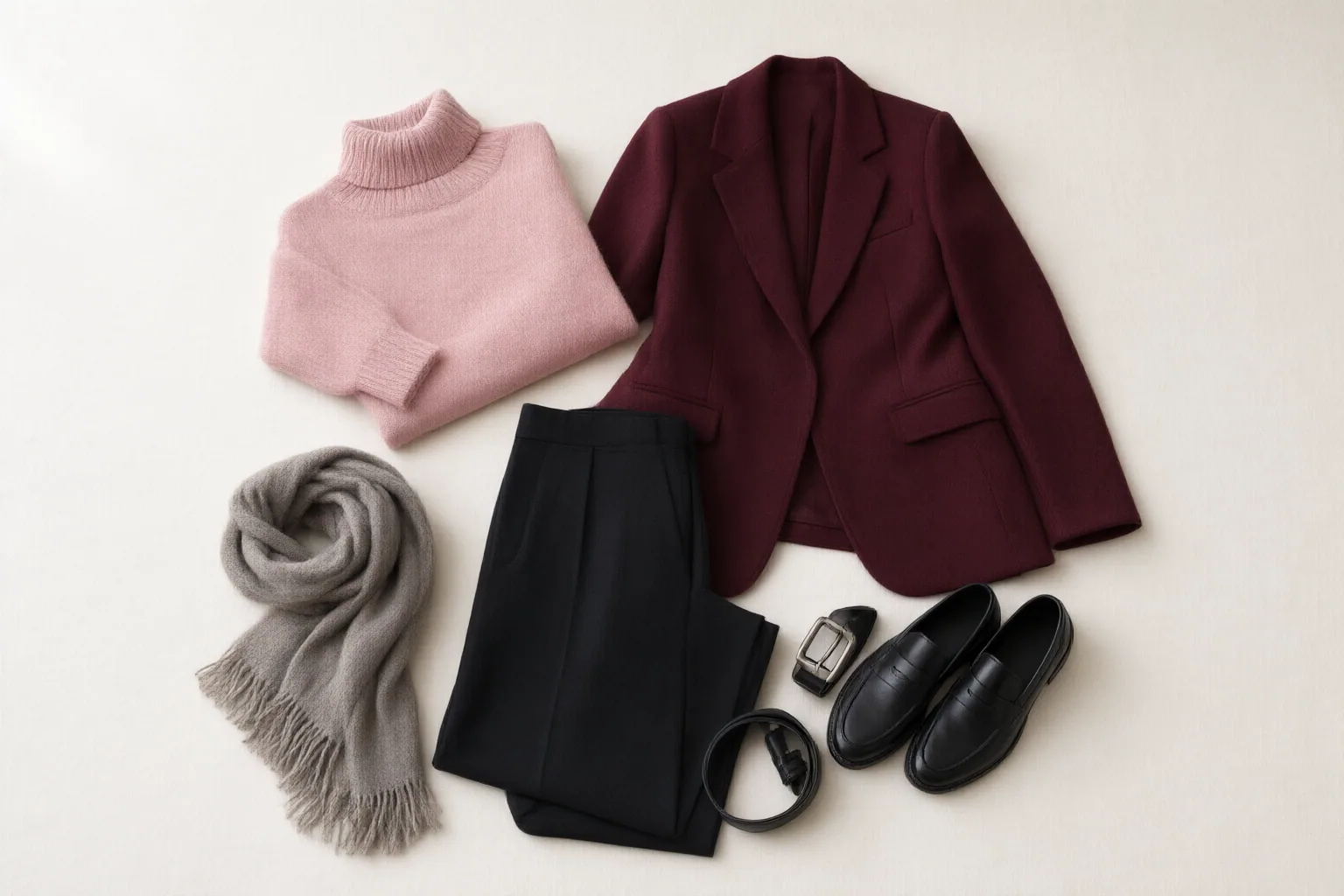
Wearable fall outfits work best when they can change with the day. Start with a comfortable base outfit, add a removable layer for crisp mornings, and make room to carry it when afternoons remain warm. The combinations below are editorial suggestions for using familiar wardrobe basics, not claims about specific products or materials.
Why Fall Outfits Need to Adapt During the Day
In the Northern Hemisphere, fall is the transition from summer to winter: daylight shortens and temperatures generally cool as the season advances. After the autumnal equinox, sunrise comes later and nightfall arrives earlier. In 2026, the equinox occurs on September 22 at 8:04 p.m. EDT, although the local calendar date can differ elsewhere because the event happens simultaneously worldwide.
Those seasonal changes are not always matched by an immediate switch to consistently cold weather. Signs of fall can arrive while conditions still feel summer-like, with crisper mornings preceding cooler days. For everyday dressing, that variability makes an adjustable outfit more useful than one built for a single temperature.
A Practical Three-Part Layering Formula
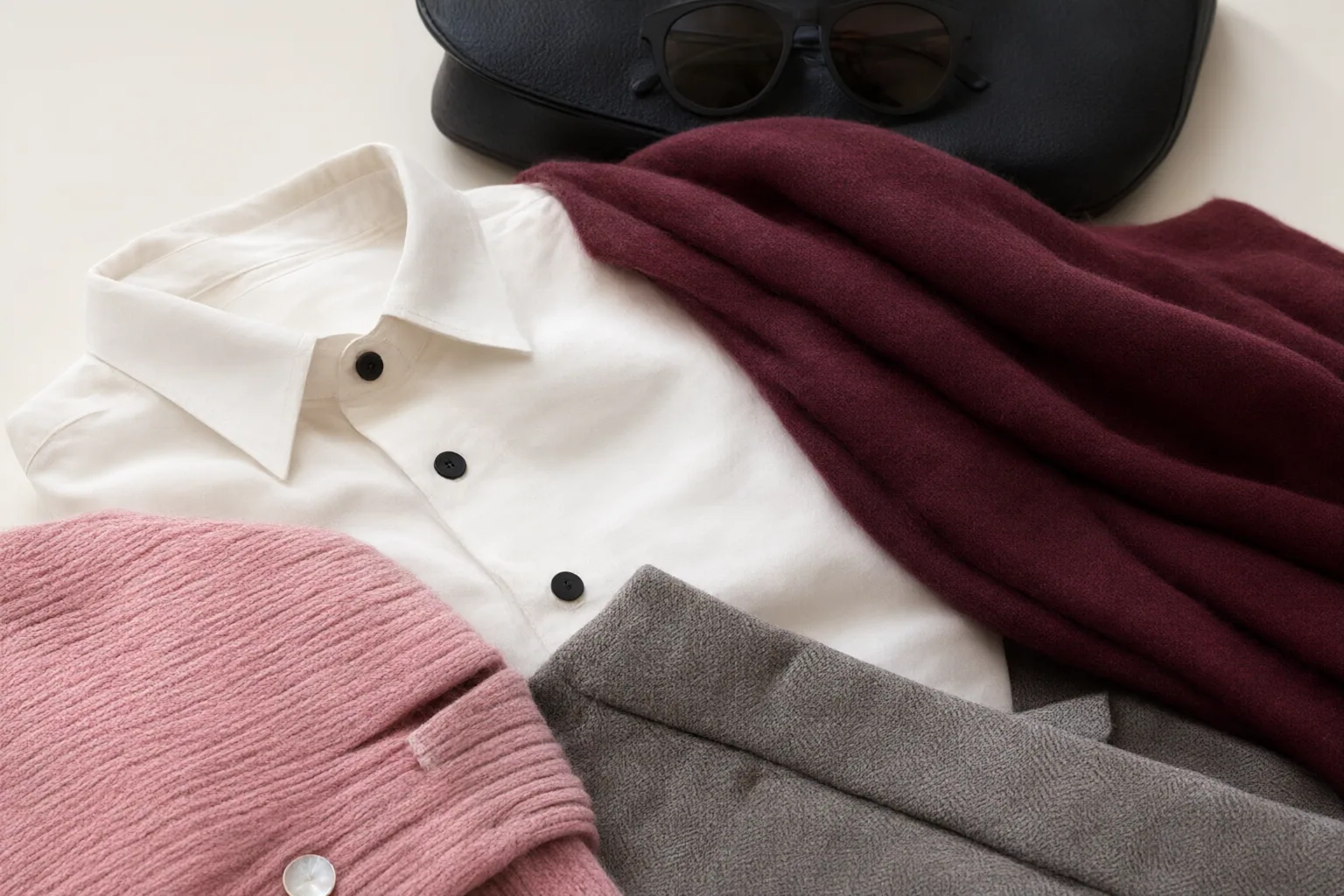
A simple editorial formula is to divide the outfit into three roles: a base, a removable middle layer, and optional outer protection.
First, choose a base you would be comfortable wearing by itself if the afternoon feels warm. This could be a top with trousers, a shirt with a skirt, or a simple dress. Second, add a piece that is easy to remove, such as an open shirt, cardigan, or jacket. Third, consider an additional outer layer only when the day’s conditions call for it.
This is wardrobe-planning advice rather than a sourced claim about fashion performance. The practical principle is adjustability: cooler mornings can call for another layer, while lingering summer-like conditions may make that layer unnecessary later. Before leaving, decide whether the removed piece can fit in your bag, be carried comfortably, or be tied or draped without disrupting the outfit.
Silhouettes and Wardrobe Basics That Mix Easily
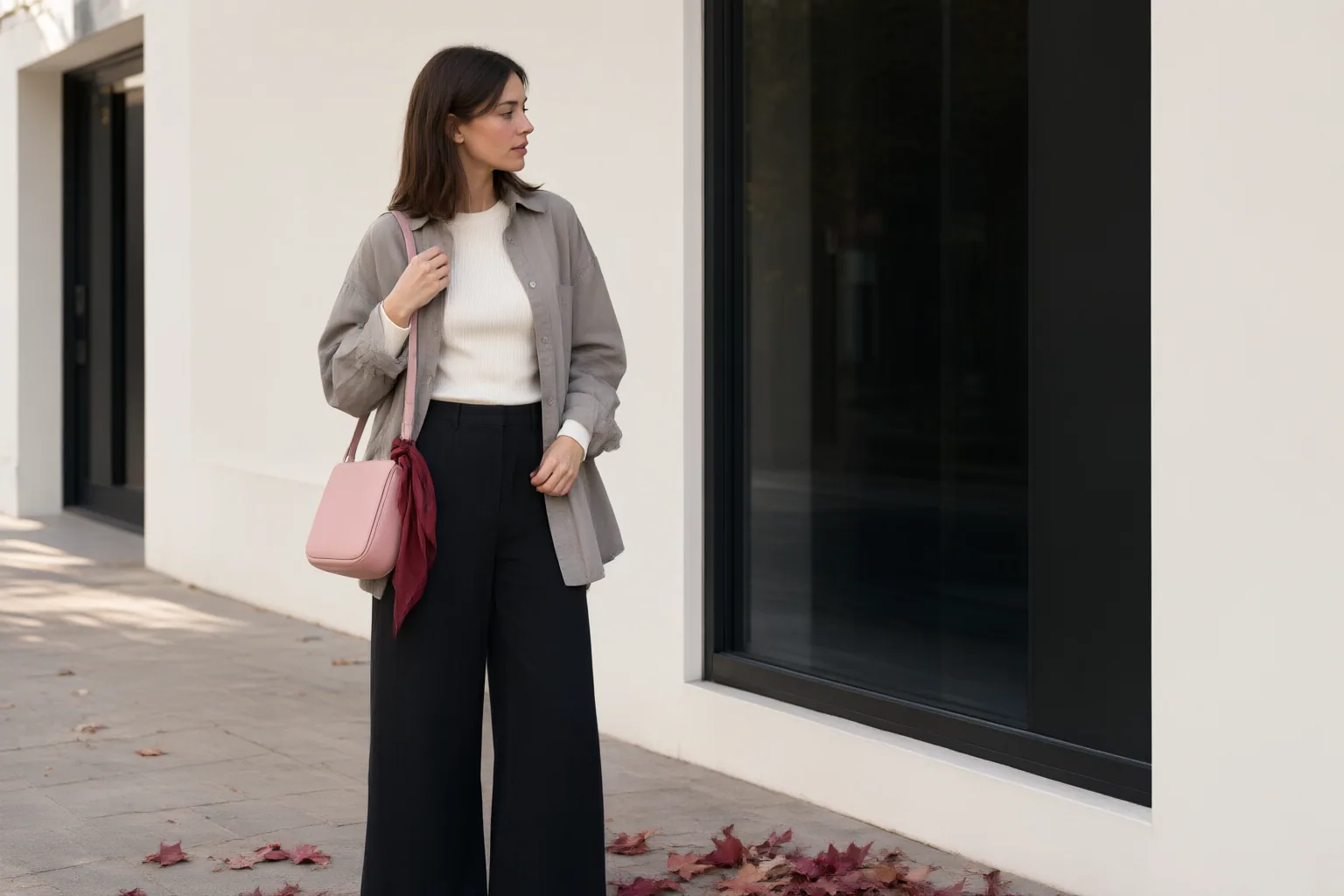
For an adaptable silhouette, use one relatively streamlined element and one element with more volume. Editorial combinations might include a closer-fitting top with relaxed trousers, a roomy shirt with a straighter skirt, or a simple dress under a more relaxed layer. These are styling options, not evidence that any silhouette is universally flattering or currently more popular.
Think about wardrobe basics by role rather than by a fixed shopping list. A base piece should work alone; a middle layer should be easy to put on and remove; bottoms or a dress should support the day’s activities; and shoes, a bag, and accessories should suit the occasion. Repeating a limited color palette can also make existing pieces easier to recombine, though this is an editorial strategy rather than a sourced seasonal rule.
Because the supplied evidence does not establish fabric performance, product quality, prices, availability, or reviews, evaluate any item you already own or consider buying according to its fit, care label, construction, and usefulness in your routine.
Conclusion
Fall dressing becomes easier when an outfit can respond to changing conditions. As daylight shortens and temperatures cool, a removable layer provides a straightforward way to prepare for a crisp morning without committing to the same amount of clothing all afternoon.
Choose one base outfit and one removable layer from your existing wardrobe, then check the day’s temperature range before getting dressed. Also decide in advance how you will carry the layer if you remove it.
Disclosures and limitations
- This article was created with AI assistance from the supplied research package. Seasonal claims are attributed through source IDs, while outfit formulas and styling combinations are clearly presented as editorial recommendations.
- No product data, prices, inventory, reviews, personal testing, or celebrity-style evidence was supplied. This article recommends no specific products and contains no disclosed affiliate offers.
Related reading
Sources
- Fall (2022 film) – Wikipedia) — en.m.wikipedia.org
- When is the First Day of Fall? Autumnal Equinox 2026 — Almanac.com
- 34 Facts About Fall — Facts.net
- 25 Fabulous Facts About Fall: The Season of Change — Fun World Facts
- Autumn – Wikipedia — en.m.wikipedia.org
- Signs of Autumn: Flying Birds, Falling Leaves, and Fading Sunlight — Almanac.com