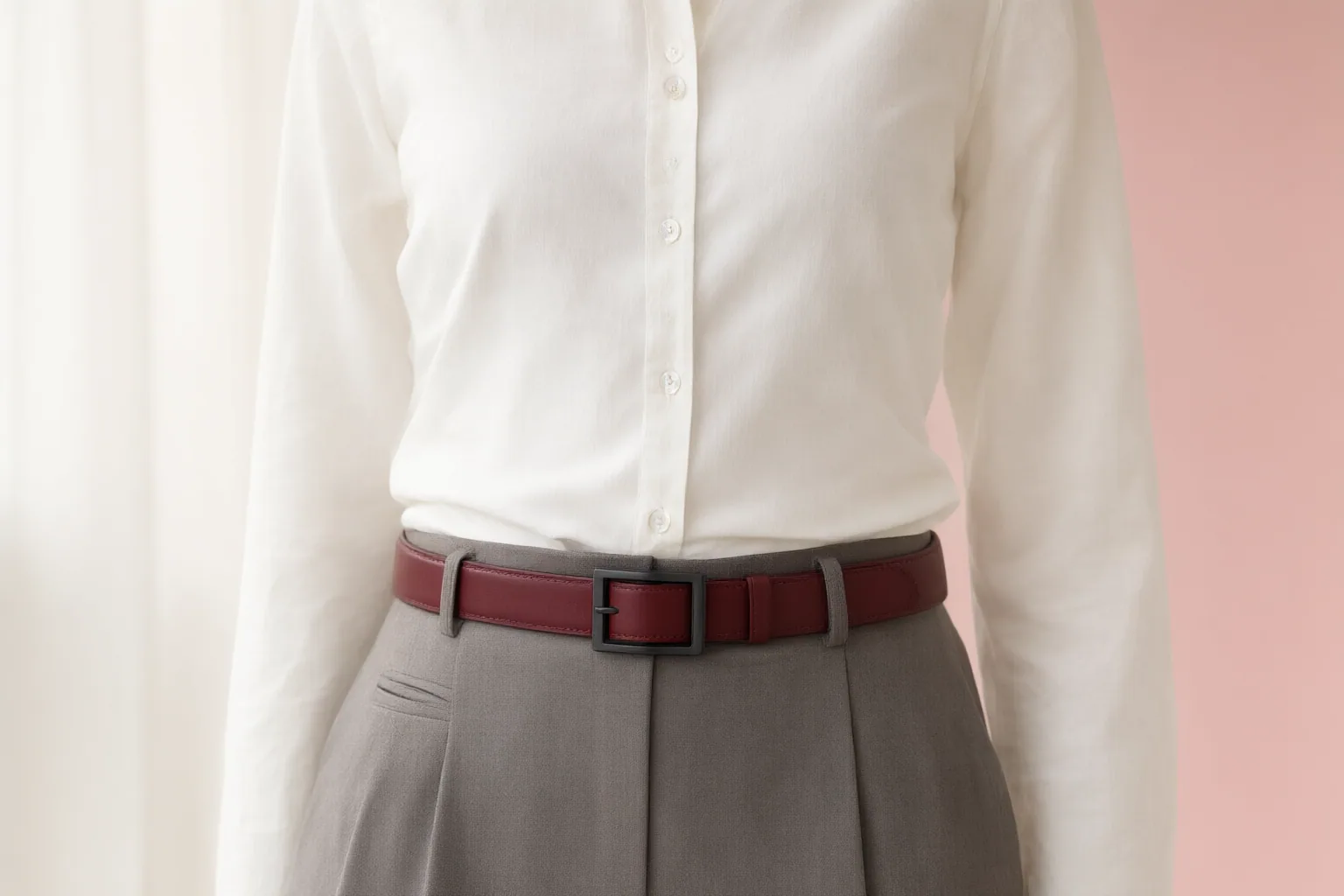
An easier tuck starts with managing how much shirt enters the waistband. Compare the silhouette and fabric weight with the intended bottoms, then use a full, military, or partial tuck to control excess material. These are editorial checks, not guarantees of all-day tuck retention.
The Short Answer: What to Check Before You Tuck
Look first at shirt volume, fabric weight, and how much material must sit inside the waistband. Retail listings demonstrate substantial variation: fits range from slim and tailored to relaxed, boxy, loose, and oversized, while available materials include cotton, linen, denim, silk, rayon, polyester, wool, chiffon, corduroy, and Oxford cloth.
That variety makes silhouette and material useful comparison points. A styling guide specifically warns that oversized or heavier shirts can create bulk when fully tucked. Before choosing a shirt, hold its shape against the planned trousers or jeans and consider whether the waistband must contain considerable excess fabric. However, the available sources contain no controlled wear tests or comparative measurements, so no fit, fabric, or construction can be claimed to prevent pulling or guarantee that a shirt stays tucked.
Fit and Fabric Checks for a Cleaner Tuck
Use this inspection checklist when comparing shirts:
- Silhouette: Identify whether the shirt is slim, fitted, tailored, straight, classic, relaxed, flowy, boxy, loose, or oversized. Rather than treating one label as universally best, compare the garment’s overall volume with the space available inside your intended waistband.
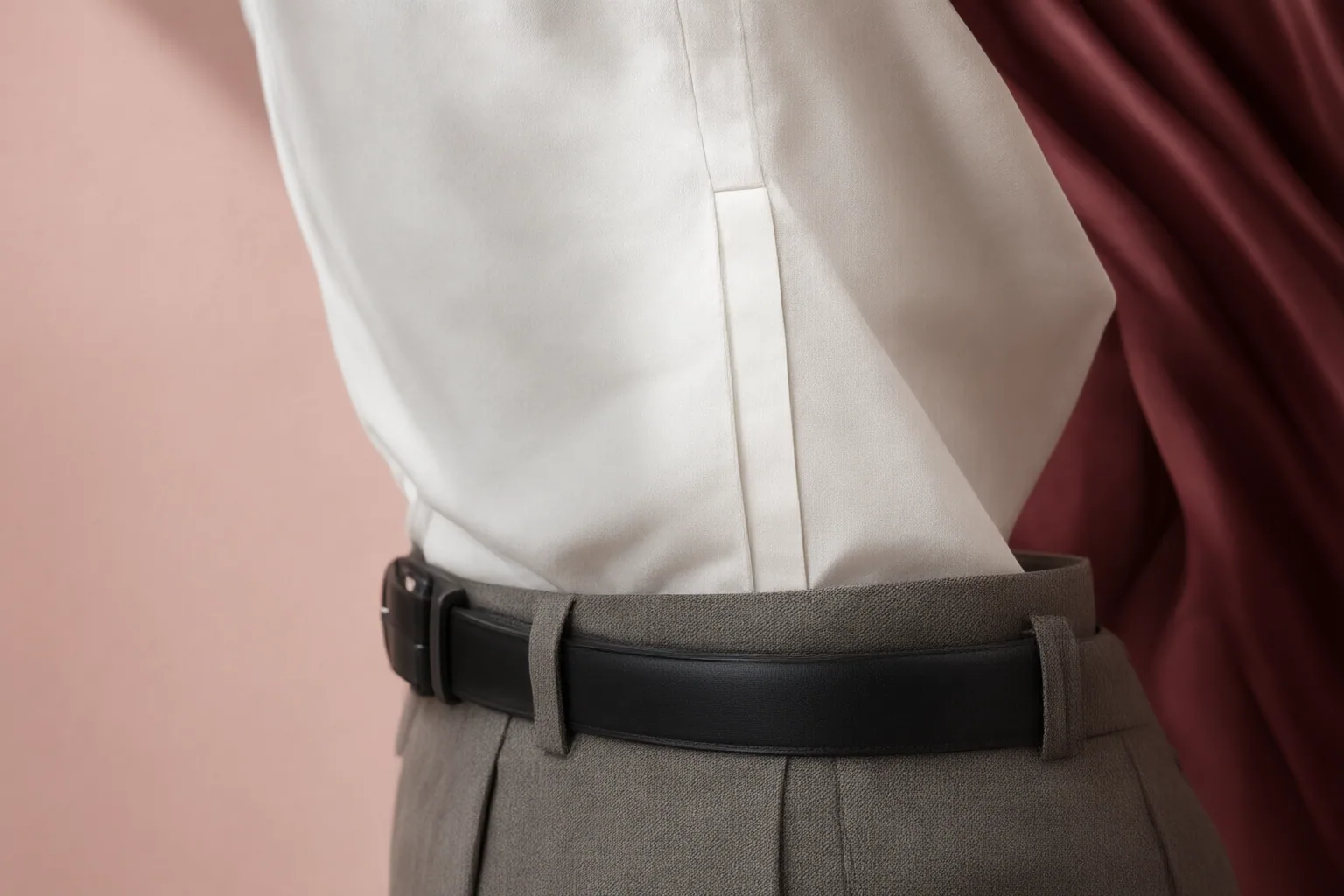
- Excess at the sides: Notice how much loose material gathers near the side seams. If there is substantial excess, a military tuck may manage it more neatly than pushing every fold straight into the waistband.
- Fabric and weight: Retail categories include lightweight-sounding options such as chiffon as well as denim and corduroy. The sources do not rank these fabrics for tuck performance, but a styling guide notes that heavier shirts can add bulk in a full tuck. Treat weight as something to inspect, not as proof of performance.
- Length and proportion: Retailers sell both cropped and longer-looking conventional silhouettes. Check how much material actually reaches and enters your chosen waistband before deciding on a method.
Retailer copy presents button-front shirts as options for office or casual outfits with tailored trousers or jeans, but that is styling guidance rather than independent testing.
Tucking Methods for Bunching and Ballooning
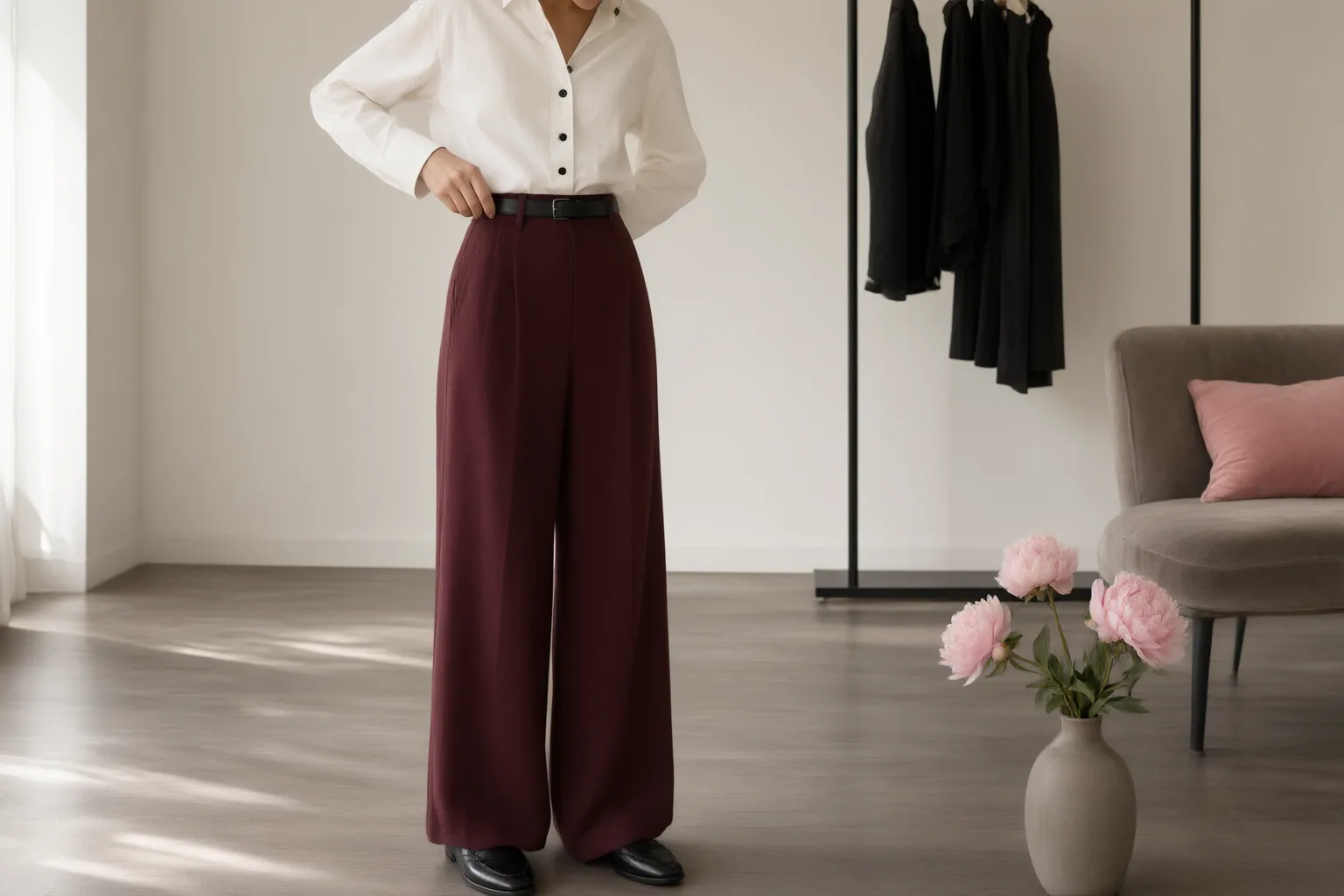
For a full tuck, the cited styling guide recommends starting at the back, smoothing the sides, and finishing at the front. Once the shirt is positioned, pull it taut before tightening a belt; this is intended to reduce visible ripples.
When loose fabric balloons around the waist, try a military tuck. Fold the excess backward at each side seam, keep the folds controlled, and then fasten the waistband. This method organizes extra side fabric instead of leaving it to gather unevenly.
A full tuck is not the only option. The guide suggests partial or belt-based tucks for heavier or oversized shirts because they avoid placing all the material inside the waistband. Compare the result from the front, sides, and back, and move normally before settling on an approach. These methods address visible excess fabric, but the research does not establish how reliably any of them prevents pulling or coming loose over extended wear.
Conclusion
A practical decision path is to assess the silhouette, inspect the fabric’s weight, compare the shirt’s volume with the intended waistband, and then select a tuck that manages the excess. Retail listings confirm broad fit and material choices, but they do not establish performance rankings, and retailer styling suggestions are not independent findings.
Before committing to an outfit or purchase, try a full tuck, a military tuck, and a partial tuck with the actual waistband you plan to wear, then choose the option that produces the least visible bulk.
Disclosures and limitations
- This article was prepared with AI assistance from the supplied commercial styling guide and retailer pages. No products were independently tested, and no affiliate product recommendations are included.
Related reading
Sources
- how to tuck in a shirt without bunching female — Shibtee Clothing
- Amazon.com : button front shirt — amazon.com
- Button Front Shirts for Women | Old Navy — oldnavy.gap.com
- CeCe Button Front Satin Shirt (Women) | Nordstrom — nordstrom.com
- Amazon.com : front button shirts for women — amazon.com