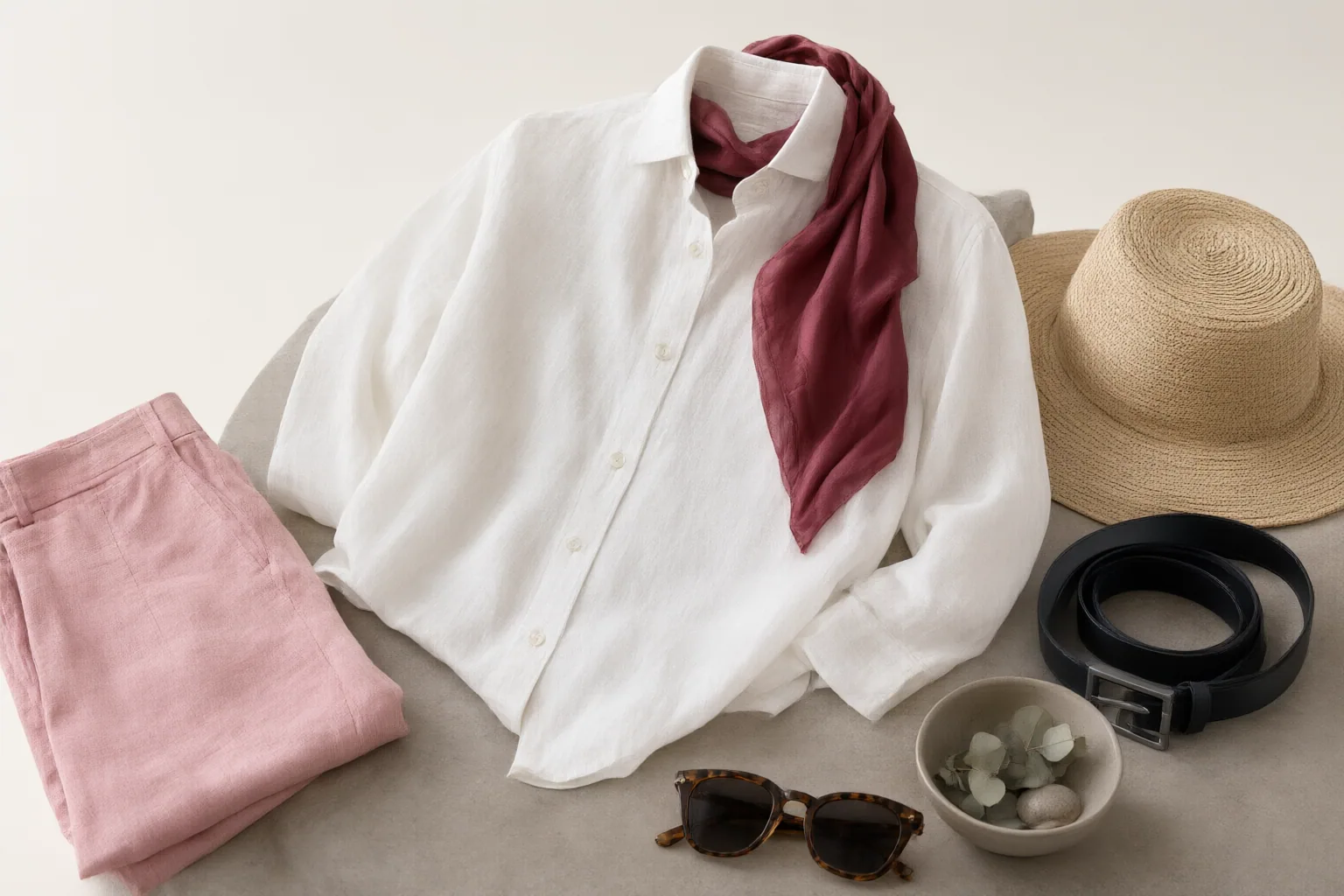
Before buying a summer shirt, read its fiber and care labels, decide whether its upkeep suits your routine, and personally check its fit, opacity, and compatibility with your existing wardrobe. The best practical choice is one you can realistically wear and maintain.
Start With the Fabric and Care Labels
Begin with the information attached to the garment. Check the fiber content and read the washing, drying, ironing, and professional-cleaning instructions before making a decision. Materials can respond differently to water, agitation, and heat, so a familiar-looking shirt should not automatically receive the same treatment as everything else in your laundry.
Use the garment-specific label as the final authority instead of relying on a general assumption about a fiber. If the stated routine requires equipment, time, or services you do not normally use, include that inconvenience in your purchase decision. A shirt whose care requirements conflict with your habits may be worn less often or kept for less time.
Check Fit, Opacity, and Outfit Pairing for Your Own Use
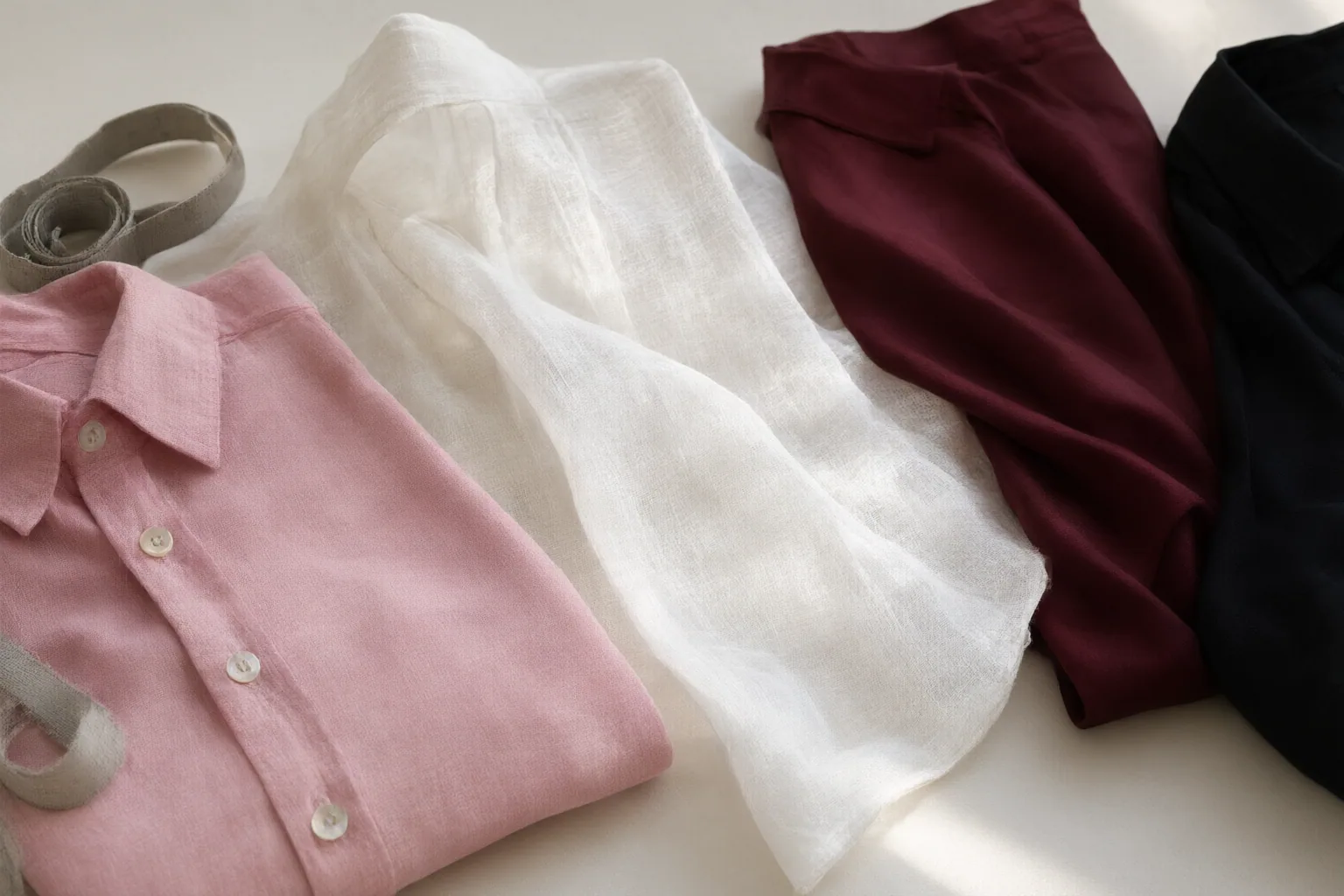
Treat fit, opacity, and outfit pairing as personal checks rather than universal pass-or-fail rules. Before purchasing, assess whether the shirt meets your own coverage preferences, feels appropriate for the situations in which you expect to wear it, and works with clothing you already use. Confirm these points directly instead of assuming that a fabric name or product description resolves them.
Also consider whether your preferred fit and styling would make the shirt a realistic part of your routine. The supplied evidence does not establish one ideal fit, a standardized opacity test, or a styling formula. These judgments therefore need to reflect your wardrobe, intended occasions, and comfort requirements rather than unsupported general claims.
Match the Care Routine to Your Time and Facilities
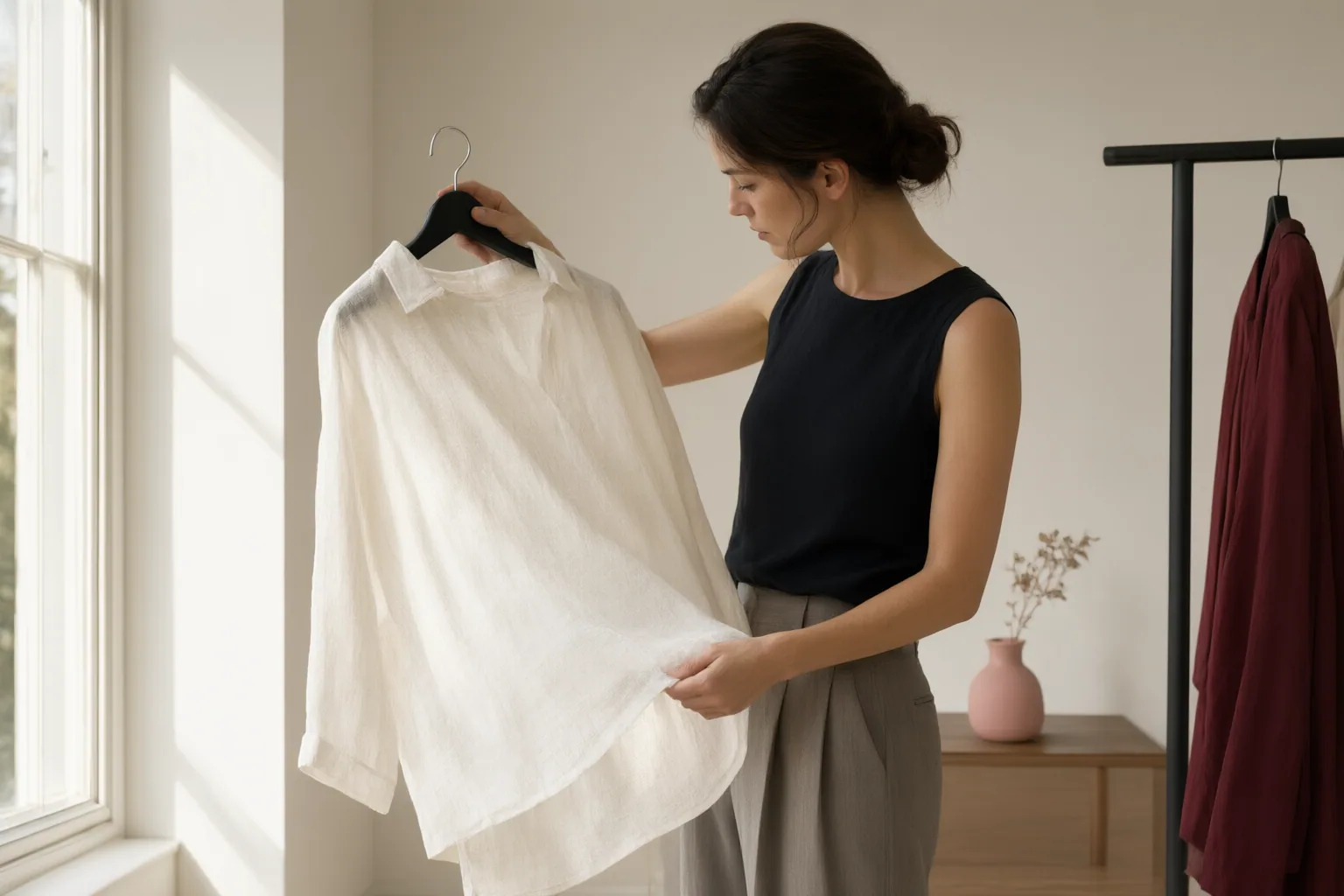
Translate the label into a routine you can actually follow. When the label permits it, cold-water washing can help limit fading, shrinking, and fiber deterioration. Air drying avoids dryer heat that can shrink, fade, weaken, damage, or distort some garments. If machine drying is necessary and allowed, use low heat and remove the shirt when dry instead of overdrying it.
Not every lightly worn garment necessarily needs washing after each wear. When appropriate for the item and its condition, airing it or spot-cleaning it can reduce unnecessary laundering. Treat stains promptly using a fabric-suitable method, because stains generally become harder to remove when left untreated.
For suitable garments, turning them inside out may help protect bright colors and prints. Fastening zippers and hooks can reduce snagging of other items. Before buying, decide whether you have the space to air-dry the shirt and whether any ironing or professional cleaning on the label fits your time and facilities.
Conclusion
Use a short final checklist before paying: read the fiber and care labels; confirm that the required washing, drying, ironing, or professional cleaning is realistic; personally assess fit and opacity; and check that the shirt complements outfits you already wear. Do not substitute broad fabric assumptions for the garment's instructions.
Complete these checks before buying, and choose the shirt only if both wearing it and maintaining it fit your everyday routine.
Disclosures and limitations
- This article was prepared with AI assistance from the supplied clothing-care research sources; no products, prices, inventory, reviews, affiliate offers, or firsthand tests were evaluated.
Related reading
Sources
- Clothing Care and Repair | Oberlin College and Conservatory — www.oberlin.edu
- Prolong the Life of Your Clothes With These Simple Tips – Mind, Body and Soul — wp.nyu.edu
- Clothing Care | Mindful Wardrobe Checklist — sites.udel.edu