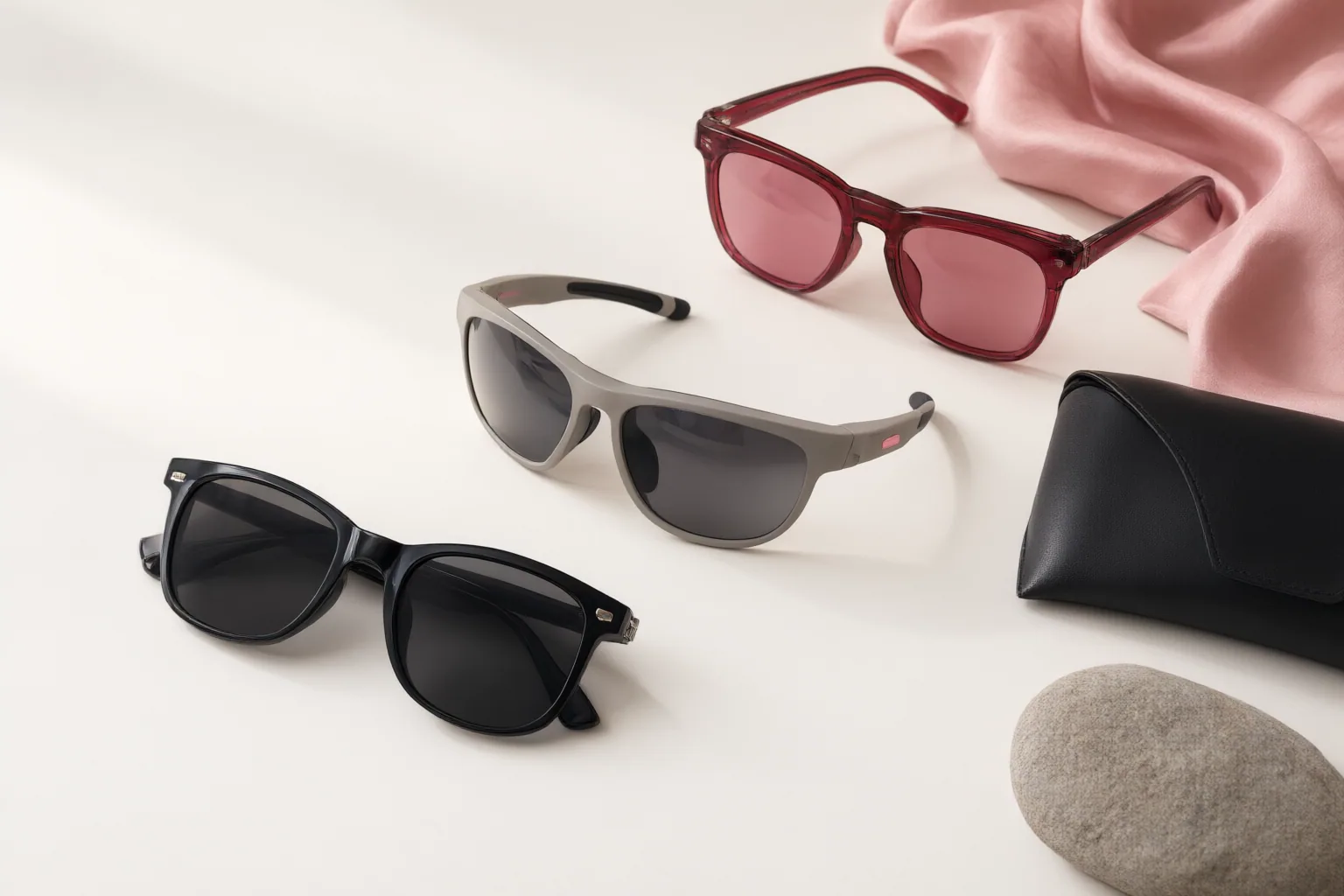
Choose sunglasses by intended activity first, then compare protection, coverage, comfort, fit, adjustability, and prescription compatibility. Fashion matters, but appearance alone cannot establish whether eyewear is suitable for outdoor sport or specialized protection.
Match the Sunglasses to the Activity
Start by defining when and where you will wear the sunglasses. In the United States, cited FDA guidance classifies nonprescription sunglasses sold for casual or fashion wear and general recreation as Class I medical devices subject to general controls and impact-resistant lens requirements. However, that guidance does not cover prescription eyewear, industrial eyewear, or sport protective eyewear. Ordinary sunglasses therefore should not automatically be treated as specialized protective equipment.
The FDA guidance was issued in 1998, so its regulatory details require confirmation against current FDA requirements before publication or purchase decisions. For outdoor sports, assess eyewear according to the specific activity and its exposure to UV, wind, and debris.
Check Protection and Coverage for Outdoor Use
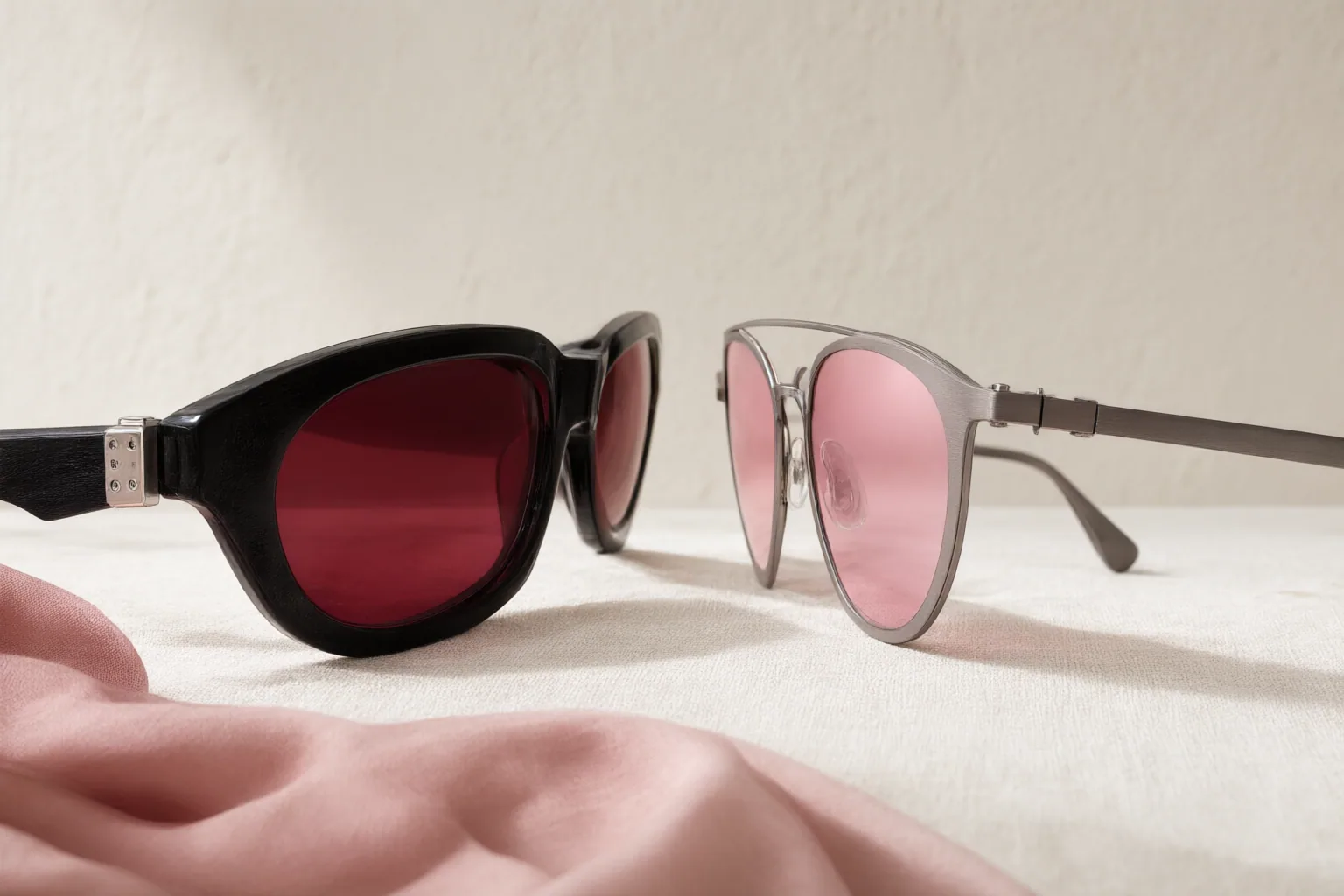
Outdoor eyewear can serve several functions: limiting exposure to UV, wind, and debris while maintaining useful vision. Coverage is therefore a practical consideration, particularly when an activity creates exposure around the sides of the frame. More coverage is not the only consideration, however. Wirecutter’s evaluation criteria also emphasize airflow, weight, comfort, adjustability, and optical performance.
Compare candidates as a complete system. Consider whether the frame provides suitable coverage without creating an uncomfortable or unstable fit, whether airflow is appropriate for the intended use, and whether the lenses support clear vision. A fashionable shape may work for casual wear, but its appearance does not demonstrate suitability for a demanding outdoor activity or establish that it belongs to a protective-eyewear category.
Evaluate Fit, Adjustability, and Prescription Options
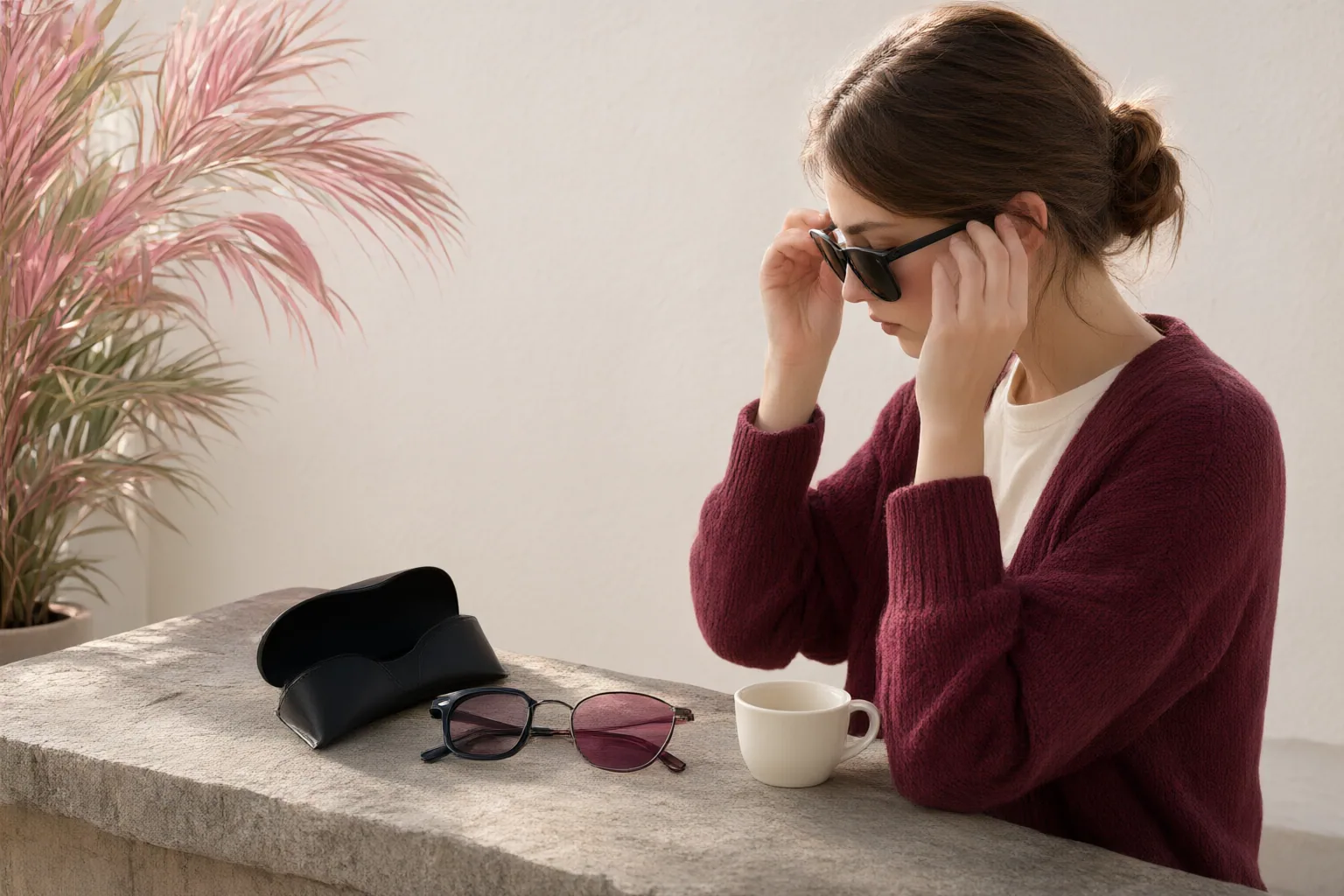
Fit can determine whether sunglasses remain comfortable and secure. Check frame size, pressure points, coverage, and stability during movements similar to the intended activity. Adjustable temples may improve fit, while a one-size design can be harder to assess across different faces. Online-only availability also limits the ability to judge fit before ordering, so note whether virtual try-on, home trials, multiple sizes, or another return-friendly evaluation route is available.
Prescription shoppers have additional variables. Retailers may differ in prescription eligibility, frame selection, lens customization, trial options, and delivery estimates. Available lens choices can include polarized or mirrored lenses, transition lenses, and different colors or tints. Treat these as options to investigate rather than universal features. Before ordering, confirm that the seller can fulfill your prescription and chosen lens configuration, then review the available fit-checking process and estimated delivery information. Retailer services and terms are time-sensitive and should be verified directly when purchasing.
Conclusion
Use a fixed purchase sequence: define the activity, confirm that the eyewear category is appropriate, compare protection and coverage, assess comfort and optical performance, test fit and adjustability, and verify prescription compatibility when needed. Do not assume casual nonprescription sunglasses are specialized sport or industrial protection. Before buying, write down your required use, coverage, fit, adjustment, trial, and lens needs, then compare every candidate against that same checklist.
Disclosures and limitations
- This article was prepared with AI assistance from the supplied FDA, CNET, and Wirecutter research; current regulations, retailer services, availability, and delivery terms should be independently verified.
- No structured products, prices, or affiliate offers were supplied, so this guide does not make product recommendations or include affiliate purchasing claims.
Related reading
Sources
- polarized gray sunglasses sold on Temu United States — temu
- Robot or human? — walmart.com
- Guidance Document For Nonprescription Sunglasses – Guidance for Indust — U.S. Food and Drug Administration
- Best Prescription Sunglasses for 2026 – CNET — CNET
- The Best Sport Sunglasses — Wirecutter: Reviews for the Real World
- The Best Safety Glasses — Wirecutter: Reviews for the Real World